Dealing with a mental illness diagnosis can be a difficult process and lead to many questions. Discover the answers to many of the common questions that patients and caregivers ask health care professionals.
Tag: mental-health

Supporting mental health recovery
Family support can make a big difference to someone who is dealing with a mental health issue, but it’s hard for family caregivers to know what approach is best. Learn how to improve your skills to support your loved one on their road to recovery.

Unwilling to get help?
[vc_row][vc_column][vc_column_text]It can be difficult when you are watching a loved one suffer with a mental health or substance use problem and they have no desire to get help. This article offers helpful advice on how to talk to your family member/friend.[/vc_column_text][/vc_column][/vc_row]
Stigma: A course for health providers
[vc_row][vc_column width=”2/3″][vc_column_text]The Mental Health Commission of Canada (MHCC) and the Centre for Addiction and Mental Health (CAMH) have developed this essential course for health providers and front-line clinicians, Understanding Stigma.[/vc_column_text][/vc_column][vc_column width=”1/3″][vc_single_image image=”6289″][/vc_column][/vc_row]
Specific diseases and disorders
Addictions
British Columbia Centre on Substance Use (BCCSU)
This network has created a resource hub for family members and caregivers who are directly affected by substance use.
Canadian Centre on Substance Abuse and Addiction https://www.bccsu.ca/
This centre was created by Parliament to address substance use in Canada by providing national leadership and harnessing the power of evidence to generate coordinated action.
Connex Ontario
1-866-531-2600
Families seeking to understand what rehabilitation services are available to their loved ones are encouraged to call Connex Ontario. The operator will be able to help identify all available options and can provide families with other helpful information, such as program duration and wait times. Chat service is also available.
Families for Addiction Recovery (FAR)
A national charity founded by parents of children who have struggled with addiction. The organization promotes long term recovery for people with addiction and their families. Parent-to-parent support is available, along with information about addiction and effective treatments and a comprehensive list of resources.
From Grief to Action (FGTA)
From Grief to Action acts as a voice and a support network for families and friends affected by drug use in British Columbia.
National Institute on Drug Abuse (NIDA)
NIDA is a US federal-government research institute that works to advance science on the causes and consequences of drug use and addiction and to apply that knowledge to improve individual and public health.
This American institute is dedicated to the advancement of addiction treatment and recovery.
The Centre for Addiction and Mental Health (CAMH)
The Centre for Addiction and Mental Health (CAMH) is Canada’s largest mental health teaching hospital and one of the world’s leading research centres. CAMH aims to revolutionize the understanding of the brain, use evidence to drive social change and optimize care, and inspire hope for those with mental illness. Its work on the causes, biomarkers and treatments for mental illness is respected around the world.
Anxiety
This website site has educational and step-by-step solution-oriented information and videos for many different anxiety disorders.
The association’s mission is to promote awareness of anxiety disorders and support access to evidence-based resources and treatment. Its website provides information about anxiety as well as resources and tools to help manage the disorder.
Anxiety Disorders Association of Ontario (ADAO)
This association’s vision is to improve the lives of people in Ontario affected by anxiety.
Anxiety and Depression Association of America
This member organization is dedicated to the prevention, treatment, and cure of anxiety, depression, OCD, PTSD, and co-occurring disorders through education, practice, and research. The Association’s unique interlinked consumer and professional mission focuses on improving quality of life for those with these disorders.
Canadian Network for Mood and Anxiety Treatments (CANMAT)
This organization of academic and clinical practice leaders in depressive, bipolar and anxiety disorders conducts and interprets research in order to improve patient care, educate health professionals and the public.
Bipolar Disorder
Bipolar disorder affects not only the life of the person with bipolar but the lives of those who care for them. Close family and friends can be a primary source of support for a person with bipolar disorder. See A Guide for Caregivers of People with Disorder.
Depression and Bipolar Support Alliance (DBSA)
Learn about the DBSA Wellness Tracker and see the informative Family and Friends’ Guide to Recovery from Depression and Bipolar Disorder on this website.
Mood Disorders Association of Ontario
1-866-363-6663
This Association offers free support and recovery programs to people across Ontario living with depression, anxiety and bipolar disorder. Its programs include drop-in peer support groups, recovery programs, family and youth clinical support, early intervention for mood disorders and psychosis, and online tools focused on wellness and recovery.
Mood Disorders Ottawa
613-526-5406
This peer-group organization provides resources, programs, support groups, social and recreational activities for its members and their families and friends.
Mood Disorders Society of Canada (MDSC)
The Society gives people with mood disorders with a strong, cohesive voice at the national level to improve access to treatment, inform research, and shape program development and government policies with the goal of improving the quality of life for people affected by mood disorders.
International Bipolar Foundation (IBPF)
This webste has a good selection of pre-recorded webinars and a book that family caregivers may find helpful, “Healthy Living with Bipolar Disorder”.
Borderline Personality Disorder
Ottawa Network for Borderline Personality Disorder
Has a helpful e-newsletter to keep you up-to-date with news about BPD in our region.
L’Apogée [French]
This association for parents and friends of the person living with a major mental health disorder, is dedicated to helping people who are living with people living who have a major mental health disorder, whether in their family, in their circle of friends, in their work environment, or in their surroundings in general.
Concurrent Disorders
HeretoHelp is a project of the BC Partners for Mental Health and Substance Use Information. Since 2003, they been working to help people live well and better prevent and manage mental health and substance use problems.
Centre for Addiction and Mental Health (CAMH)
CAMH provides information about concurrent disorders and published a helpful guide, Concurrent Substance Use and Mental Health Disorders: An Information Guide. There is also a book for families, A Family Guide to Concurrent Disorders.
Depression
Canadian Network for Mood and Anxiety Treatments (CANMAT)
This guide was written by patients for patients, to help manage symptoms and the journey through care, CHOICE-D patient and family guide.
Depression and Bipolar Support Alliance (DBSA)
Learn about the DBSA Wellness Tracker and see the informative Family and Friends’ Guide to Recovery from Depression and Bipolar Disorder on this website.
This informative website has a helpful Symptom Checklist and Doctor Discussion Guide as well as information for family and friends.
This website offers information and tools for anxiety and depression.
Find interesting articles about anxiety and depression in this e-magazine.
Mood Disorders Association of Ontario
1-866-363-6663
Download The Choice-D Patient and Family Guide to Depression Treatment
613-526-5406
Offers support groups, recovery workshops, Speaker Nights, calendars and newsletters.
Mood Disorders Society of Canada
The Society gives people with mood disorders a strong, cohesive voice at the national level to improve access to treatment, inform research, and shape program development and government policies with the goal of improving the quality of life for people affected by mood disorders.
This New Zealand site has videos and ways to help yourself that would appeal to youth. Hear how others have dealt with their depression and anxiety and how they work on staying well.
Depression: An Information Guide
In addition to describing depression, its symptoms and treatment, this guide offers help for partners and families.
More than a definition, this booklet describes what the symptoms of depression are like, what causes depression, and steps to take toward recovery.
The Choice-D Patient and Family Guide to Depression Treatment
A practical guide for people living with depression. Written in plain language and intended to empower individuals to understand treatment options and engage in conversations about treatment options with health providers.
Eating Disorders
A non-profit organization whose mission is to provide immediate, specialized and free assistance to people with eating disorders and their families.
Centre for Cognitive Therapy
Westgate Shopping Centre
1309 Carling Ave.
Ottawa, ON
613-729-0801
Private clinic specializing in eating disorders.
Hopewell Eating Disorder Support Centre
613-241-3428
Hopewell is eastern Ontario’s only eating disorder support centre and was created in 1999 by three Ottawa mothers who were driven by a common goal to help their daughters overcome their battles with anorexia. They host peer support groups in Ottawa as well as family and friends support groups.
Obsessive Compulsive Disorder
An excellent booklet called What You Need To Know About Obsessive-Compulsive Disorder can be found here.
A peer-based support network providing support and guidance with resources and treatment for OCD.
Post Traumatic Stress Disorder
This organization supports those who suffer from post-traumatic stress disorder (PTSD), those at risk for PTSD, and those who care for traumatized individuals. The Association seeks to build the compassion, awareness, knowledge and tools necessary for recovery.
Veteran Affairs Canada – PTSD and War-Related Stress
In Canada, it is estimated that up to 10% of war zone Veterans—including war-service Veterans and peacekeeping forces—will go on to experience a chronic condition known as post-traumatic stress disorder (PTSD), while others may experience at least some of the symptoms associated with this condition.
Psychosis
What is psychosis? A lot of people are afraid of what they don’t know but psychosis doesn’t have to be that scary. Check out a short video and some facts and myths about psychosis on his site.
This website was created with the intent of providing a collective resource about Early Psychosis Intervention (EPI) for the province of British Columbia (BC).
Early Psychosis Intervention Ontario Network (EPION)
This Network focuses on the benefits of early treatment of psychosis in Ontario. Visitors will appreciate the family success stories, too.
Psychosis can be a disruptive, confusing, and frightening experience. Hearing voices or thinking unusual or disturbing thoughts is common in psychosis. The good news is that psychosis is treatable and here is a toolkit to help your loved ones move forward with their lives.
Schizophrenia
Schizophrenia Society of Canada
The Society works to improve the quality of life for those affected by schizophrenia and psychosis through education, support programs, public policy and research.
Schizophrenia Society of Ontario
This family-based organization provides family support and education, and supports public policy and research in Ontario.
This internet community is dedicated to providing information, support and education to the family members, caregivers and individuals whose lives have been affected by schizophrenia.
Suicide
Canadian Association for Suicide Prevention (CASP)
Families in need of resources, guidance and education will find relevant content here. The ultimate purpose of this association is to reduce the suicide rate and minimize the harmful consequences of suicidal behaviour.
This Network is a project of the National Aboriginal Health Organization. The website offers culturally relevant information and resources on suicide prevention to help Aboriginal youth and youth workers dealing with a problem that has reached crisis proportions in some First Nations, Inuit and Métis communities in Canada.
The focus of the Centre for Suicide Prevention is teaching people the information, knowledge and skills necessary to respond to people at risk of suicide.
International Association for Suicide Prevention (IASP)
IASP is dedicated to preventing suicidal behaviour, alleviating its affects, and providing a forum for academics, mental health professionals, crisis workers, volunteers and suicide survivors.
Ontario Association for Suicide Prevention
905-897-9183
The Association works toward reducing the rate of suicide and minimizing the harmful consequences of suicidal behaviour by providing information and resources to communities through the province of Ontario.
This website provides helpful links with a focus on getting help, reaching out and learn more.
Suicide Prevention Resource Centre
Their vision is to reduce suicide, suicidal behaviour, and their effects, by promoting positive alternatives and healthy coping skills.
Leaders in change
[vc_row][vc_column][vc_column_text]Bell Let’s Talk
Dedicated to moving mental health forward in Canada, Bell Let’s Talk promotes awareness and action with a strategy built on 4 key pillars: Fighting the stigma, improving access to care, supporting world-class research and leading by example in workplace mental health.
Brain & Behavior Research Foundation
The Brain & Behavior Research Foundation is committed to alleviating the suffering caused by mental illness by awarding scientific research grants that will ultimately enable people to live full, happy and productive lives.
Canadian Mental Health Association
As the nationwide leader and champion for mental health, CMHA facilitates access to the resources people require to maintain and improve mental health and community integration, build resilience, and support recovery from mental illness. CMHA branches across Canada provide a wide range of innovative services and supports to people who are experiencing mental illness and their families.
Centre for Addiction and Mental Health (CAMH)
The Centre for Addiction and Mental Health (CAMH) is Canada’s largest mental health teaching hospital and one of the world’s leading research centres. CAMH aims to revolutionize the understanding of the brain, use evidence to drive social change and optimize care, and inspire hope for those with mental illness. Its work on the causes, biomarkers and treatments for mental illness is respected around the world.
The Change Foundation promotes a positive evolution in Ontario’s health care system by engaging patients, family caregivers and health providers to explore contemporary health care issues.
Institute of Patient- and Family-Centered Care
The Institute of Patient- and Family-Centered Care envisions a profound change in the way health care is provided to individuals and their families : With every encounter, health and human service professionals work to build on the strengths of patients and families, to enhance their confidence and competence.
Mental Health Commission of Canada
The Mental Health Commission of Canada is a national non-profit organization created by the Canadian government in 2007 in response to a senate committee tasked to study mental health, mental illness, and addiction.
National Institute of Mental Health
The National Institute of Mental Health is the largest research organization in the world specializing in mental illness. There are detailed descriptions of mental illnesses on this site.
Ontario Caregiver Organization
The Ontario Caregiver Organization has been created to help support and ease the burden on caregivers. Its mandate is to provide support to all caregivers, regardless of age, where they live, or the diagnosis, disease or condition of their loved ones.[/vc_column_text][/vc_column][/vc_row]
Coping when your child has mental health challenges
[vc_row][vc_column width=”2/3″][vc_column_text]Informing yourself about mental illness after a child develops signs of mental illness is job-one for parents. Finding support, connecting with local resources, and tending to the feelings of family members come next. This guide covers a lot of ground of interest to parents, “Coping with Mental Illness for Caregivers.”[/vc_column_text][/vc_column][vc_column width=”1/3″][vc_single_image image=”4762″ img_size=”full”][/vc_column][/vc_row]
Join Portico: Canada’s Mental Health & Addictions Network
[vc_row][vc_column width=”2/3″][vc_column_text]Portico offers clinical tools and evidence-based materials for health care providers, social service workers and others. Its material may also be of interest to those with lived experience and their family caregivers.[/vc_column_text][/vc_column][vc_column width=”1/3″][vc_single_image image=”4452″ img_size=”full”][/vc_column][/vc_row]
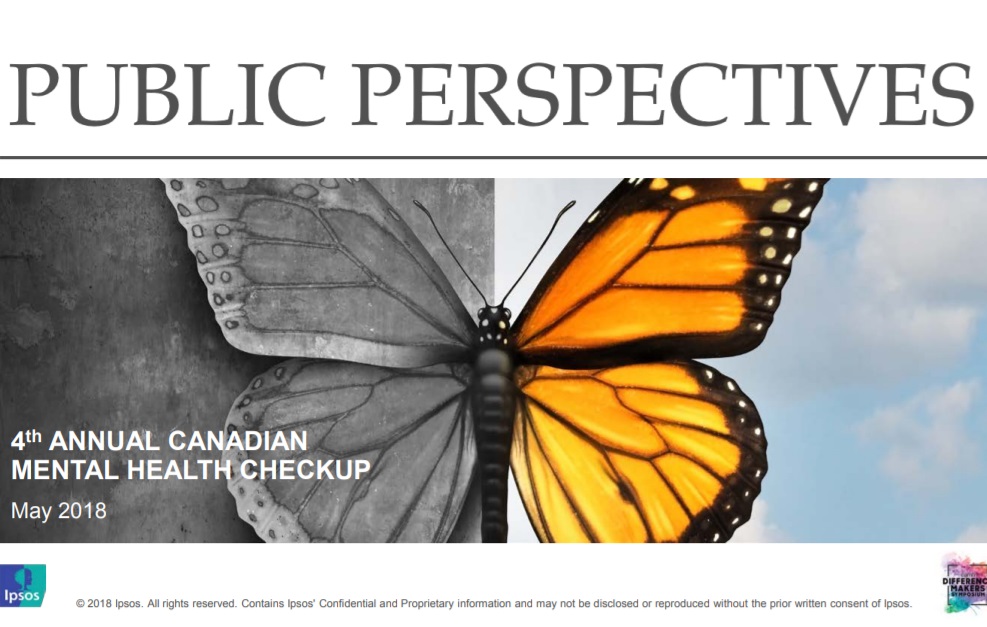
4th Annual Canadian Mental Health Checkup
[vc_row][vc_column width=”2/3″][vc_column_text]Mental health remains a challenge for many Canadians and their families. This presentation summarizes the “4th Annual Canadian Mental Health Checkup.”[/vc_column_text][/vc_column][vc_column width=”1/3″][vc_single_image image=”4441″ img_size=”full”][/vc_column][/vc_row]
Assessment tools to help families
[vc_row][vc_column width=”2/3″][vc_column_text]Families that are still intact after years of difficult times, caused by one or more person affected by addiction or mental health, deserve support and encouragement. That’s where “Family treasures: Creating strong families” can be used.
“Family Treasures is one of those great books that has strong research at its base and can be used by a variety of disciplines. The assessment tools and activities can be readily used by professionals and families to strengthen family relationships.”Linda Skogrand, Ph.D. Assistant Professor Extension Specialist Utah State University.[/vc_column_text][/vc_column][vc_column width=”1/3″][vc_single_image image=”4870″ img_size=”full”][/vc_column][/vc_row]
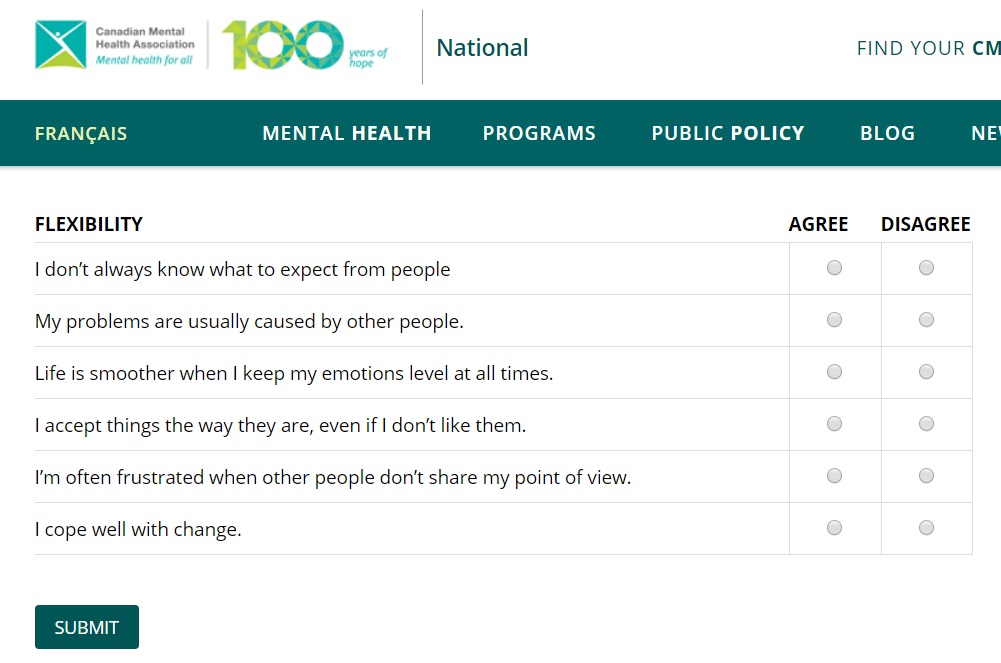
Mental health meter: What’s your score?
[vc_row][vc_column width=”2/3″][vc_column_text]Take the “Mental Health Meter” questionnaire to learn about the characteristics of good mental health and get feedback that can focus efforts to improve your own mental health outlook.[/vc_column_text][/vc_column][vc_column width=”1/3″][vc_single_image image=”4712″ img_size=”full”][/vc_column][/vc_row]
Starter guide for mental wellbeing
[vc_row][vc_column width=”2/3″][vc_column_text]For many adults, caregiving is the hardest thing they’ve done–it’s an all-of-a-sudden thing that starts with a bang and keeps up the pressure. If you’re experiencing fatigue and other signs of mental strain as a result, it’s no surprise.
These 5 top tips for mental wellbeing will be your trusted guide. Just like with physical health, there are things we can all do to look after our mental wellbeing and face the challenges life throws at us. This guide provides ideas to get you started.[/vc_column_text][/vc_column][vc_column width=”1/3″][vc_single_image image=”4714″ img_size=”full”][/vc_column][/vc_row]

Preventing parent burnout
[vc_row][vc_column width=”2/3″][vc_column_text]Parenting a child with mental health issues is hard work. Here are 12 tips that may help you to meet the emotional challenges of being a caregiver.[/vc_column_text][/vc_column][vc_column width=”1/3″][vc_single_image image=”4331″][/vc_column][/vc_row]
Mental health and the law
[vc_row][vc_column width=”2/3″][vc_column_text]
Involuntary admission to hospital
[/vc_column_text][vc_empty_space height=”12″][vc_column_text]The Ontario Mental Health Act (1990) defines categories of psychiatric institutions, the legal rights of patients, and procedures for the treatment of patients who are deemed unable to consent for themselves. Family caregivers typically seek guidance from the Mental Health Act when their loved one refuses care or professional assistance.
There are three common ways for a person to be involuntarily admitted to a psychiatric facility in Ontario.[/vc_column_text][vc_empty_space height=”16″][vc_column_text]
Police custody
Under The Mental Health Act, Ontario police are able to apprehend a person for examination by a physician due to a belief that they may be an immediate danger to themselves or to others, or are not able to care for themselves.
Example:
- Police are called to attend someone’s home and apprehend a person under The Mental Health Act because they meet the stated criteria. The person is brought to the hospital and assessed by a physician who may take further steps such as calling a mental health professional or psychiatrist for further assessment.
Form 2
The family caregiver visits a justice of the peace to ask for an involuntary assessment of their loved one’s mental health and capacity due to concern for the person’s safety and well-being. The family caregiver fills out the necessary paper work and a justice of the peace generates a Form 2 that authorizes police to transport the loved one to a physician for an examination.
Example:
- A family member is concerned about an individual acting bizarrely and dangerously at home. They visit a justice of the peace and fill out paperwork. The justice of the peace accepts and issues a Form 2. The police visit the individual and bring them to hospital involuntarily for assessment by a physician.
Form 1
A physician may fill out a Form 1 if they have examined your loved one and have reasonable cause to believe that the requirements of Form 1 are met (download The Ontario College of Family Physicians Form 1 Application for Psychiatric Assessment).
Example:
- A person visits their family doctor and it is disclosed that the person is experiencing suicidal thoughts with a plan to attempt tonight. The doctor fills out a Form 1 and requests that the person attends a hospital to see a psychiatrist immediately. The person will then either contract for safety and attend with the doctor following up closely by phone or emergency services will transport the client to the hospital with the Form 1.
[/vc_column_text][vc_empty_space height=”16″][vc_empty_space height=”16″][/vc_column][vc_column width=”1/3″][vc_single_image image=”4763″ img_size=”full”][/vc_column][/vc_row][vc_row][vc_column width=”2/3″][vc_column_text]
Other legal forms to be aware of
[/vc_column_text][vc_empty_space height=”12″][/vc_column][vc_column width=”1/3″][/vc_column][/vc_row][vc_row][vc_column width=”2/3″][vc_column_text]
Renewal forms
Family caregivers may also need to know about forms that are used to renew involuntary admissions in the health system. If you need information about Form 3, Form 4, or others, refer to The Ontario Mental Health Act (1990). Family caregivers and health providers can also find information in this comprehensive guide, produced by the Ottawa Hospital Association, A Practical Guide to Mental Health and the Law in Ontario.
Power of attorney
There are three kinds of power of attorney in Ontario. Of these, the Power of attorney for personal care can be a useful tool for families whose loved one is unable to care for themselves (additional information is available from the Community Legal Education Ontario).
For additional information or to discuss specific legal issues, contact a legal professional. Legal Aid Ontario provides legal aid services to low-income individuals at the Stormont, Dundas & Glengarry Legal Clinic.
Ulysses agreement
When planning ahead, the Ulysses agreement can be a useful tool for families seeking to clarify what they should or should not do to support the loved one in a mental health crisis.
The Ulysses agreement also gives parents with a mental health condition a method to make legal arrangements for the care of their children in the event that they become unable to care for their children.
Learn more and access a blank, fillable form for the Ulysses Agreement.[/vc_column_text][/vc_column][vc_column width=”1/3″][/vc_column][/vc_row]

Do this in a crisis
[vc_row][vc_column][vc_column_text]
Is this a mental health crisis?
[/vc_column_text][vc_empty_space height=”16″][/vc_column][/vc_row][vc_row][vc_column width=”1/2″][vc_column_text]A mental health crisis is a non-life threatening situation where a person is showing extreme emotional disturbance or physical distress, considering harm to self or others, disoriented or out of touch with reality, has a compromised ability to function, or is otherwise agitated and unable to be calmed (must be willing to engage with mental health professionals).[/vc_column_text][vc_empty_space][vc_single_image image=”4358″ img_size=”full”][vc_empty_space][vc_column_text]Examples include: Talking about suicidal threats, talking about threatening behaviour, self-injury not requiring immediate medical attention, alcohol or substance abuse, highly erratic or unusual behaviour, and eating disorders.[/vc_column_text][/vc_column][vc_column width=”1/2″][vc_column_text]
Call a crisis line
Call the mental health crisis line serving Cornwall, Stormont, Dundas, Glengarry and Akwesasne at 1-866-996-0991.
Examples:
- Consult with a worker about possible resources based on the current situation
- Ask for information on local services
[/vc_column_text][vc_empty_space height=”24″][vc_column_text]
Seek out new information
Examples:
- Review the symptoms of psychosis or substance dependence
- Research patient support options that are available in your area and identify actions that may be appropriate to your situation (see the “Patient support & education tab” in Local Resources)
- Speak with family members, friends, colleagues and neighbours to find people who have had similar experiences and exchange information (see Caregiver support & education tab” in Local Resources)
- Download a mobile phone app to connect with support services, such as Connex Ontario (see Apps for mobile devices” in Helpful Links)
[/vc_column_text][vc_empty_space height=”24″][vc_column_text]
Inquire about patient services
If your loved one is willing to get help, contact a number of community health agencies to inquire about patient intake (how to enroll a new patient).
Examples:
- Call to make an appointment with a local addiction or mental health treatment centre
- Visit the Cornwall Hospital Community Addictions and Mental Health building and register your loved one for an appropriate patient care service
- Call the Canadian Mental Health Association of Champlain East to book an intake appointment for your loved one
- Visit the Canadian Mental Health Association of Champlain East and register your loved one for an appropriate patient care service
[/vc_column_text][/vc_column][/vc_row][vc_row][vc_column][vc_empty_space][/vc_column][/vc_row][vc_row][vc_column][vc_empty_space][/vc_column][/vc_row]

Do this in an emergency
[vc_row][vc_column][vc_column_text]
Is this a mental health emergency?
[/vc_column_text][vc_empty_space height=”16″][/vc_column][/vc_row][vc_row][vc_column width=”1/2″][vc_column_text]A mental health emergency is a life threatening situation where a person is imminently threatening harm to self or others, severely disorientated or out of touch with reality, has a severe inability to function, or is otherwise distraught and out of control.
Examples include: Acting on a suicidal threat, homicidal or threatening behaviours, self-injury requiring immediate medical attention, severely impaired judgement as a result of consuming drugs or alcohol, highly erratic or unusual behaviour that is very unpredictable and/or an inability to care for self.[/vc_column_text][vc_empty_space][/vc_column][vc_column width=”1/2″][vc_column_text]
Call 911 immediately
You feel that your loved one is at imminent risk of serious injury or death or if your loved one is posting a serious risk of bodily harm to someone else.
Examples:
- A person is going to attempt suicide or was interrupted in an attempt
- A person has a weapon or is actively threatening themselves or others with physical violence
- You find your loved one severely under the influence of drugs or unconscious
Call a crisis line
Call the mental health crisis line at 1-866-996-0991 and explain the current situation: My loved one is having a mental health/addiction emergency and is willing to see a mental health professional.
Examples:
- A person from the mental health crisis team may be able to come in person to the home
- The mental health team may advise visiting a local hospital for urgent care
Visit the closest hospital emergency department
You are extremely concerned about the physical safety of your loved one.
Examples:
- Your loved one feels like immediately acting on their suicidal thoughts
- Your loved one is suffering from withdrawal symptoms and there are concerns about physical safety
[/vc_column_text][/vc_column][/vc_row][vc_row][vc_column][vc_empty_space][/vc_column][/vc_row][vc_row][vc_column][vc_empty_space][/vc_column][/vc_row]

Parents waiting for mental health services
[vc_row][vc_column width=”2/3″][vc_column_text]Mental health problems are common in children and youth. Unfortunately, it can take months for an appointment with a mental health professional. Even though this can be frustrating, there are things parents can do to get ready. If you happen to be waiting, this article may help: “What parents can do while waiting for mental health services.”[/vc_column_text][/vc_column][vc_column width=”1/3″][vc_single_image image=”3960″ img_size=”full”][/vc_column][/vc_row]
The secret to transforming the addiction and mental health system
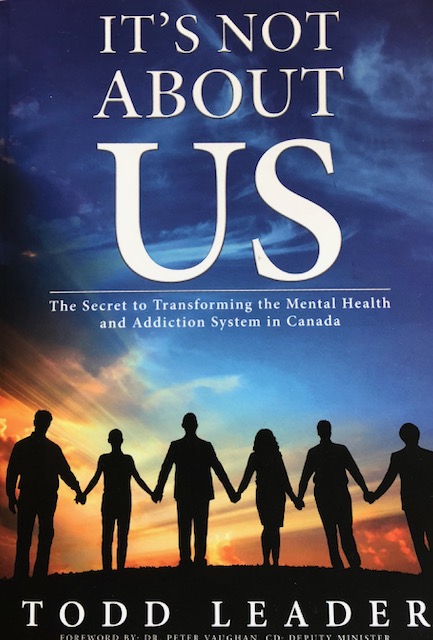
[vc_row][vc_column width=”2/3″][vc_column_text]”It’s Not About Us: The Secret to Transforming the Mental Health and Addiction System” is a guide to improving the client experience in the mental health and addiction system in Canada.
This book is based on compelling principles and a real success story about a program in Nova Scotia that transformed its way of providing service, according to a new way of defining and understanding what it means to be client-centered. The program significantly improved the ease of access for clients to services, and enhanced the local health system’s capacity to prevent addictions and mental illness.[/vc_column_text][/vc_column][vc_column width=”1/3″][vc_single_image image=”3850″ img_size=”full”][/vc_column][/vc_row][vc_row][vc_column][vc_column_text]
[/vc_column_text][/vc_column][/vc_row]
Mental health information sheets
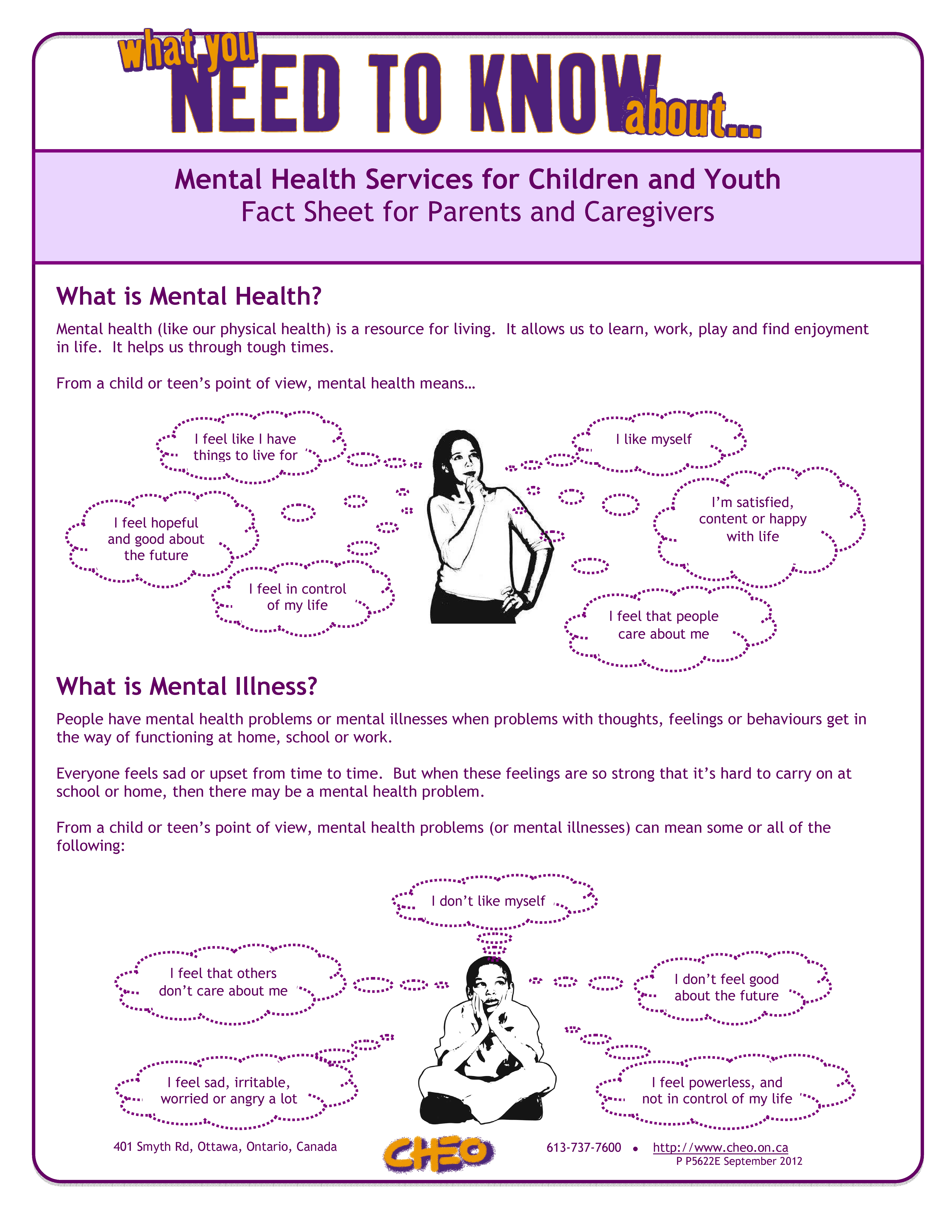
[vc_row][vc_column width=”2/3″][vc_column_text]Heads-Ed (Ottawa and Regions) offers a collection of plain language information sheets on a wide variety of mental health topics. Examples include ADHD, eating disorders, gambling, LGBT, psychosis to trauma.[/vc_column_text][/vc_column][vc_column width=”1/3″][vc_single_image image=”6240″ img_size=”full”][/vc_column][/vc_row]

When a loved one won’t seek help
[vc_row][vc_column width=”2/3″][vc_column_text]What to do when you find yourself facing a communication breakdown “When a family member is unwilling to seek help?” This article may allow you to get your point across without making your family member feel defensive.[/vc_column_text][/vc_column][vc_column width=”1/3″][vc_single_image image=”4343″ img_size=”full”][/vc_column][/vc_row]
Mental health caregiver guide
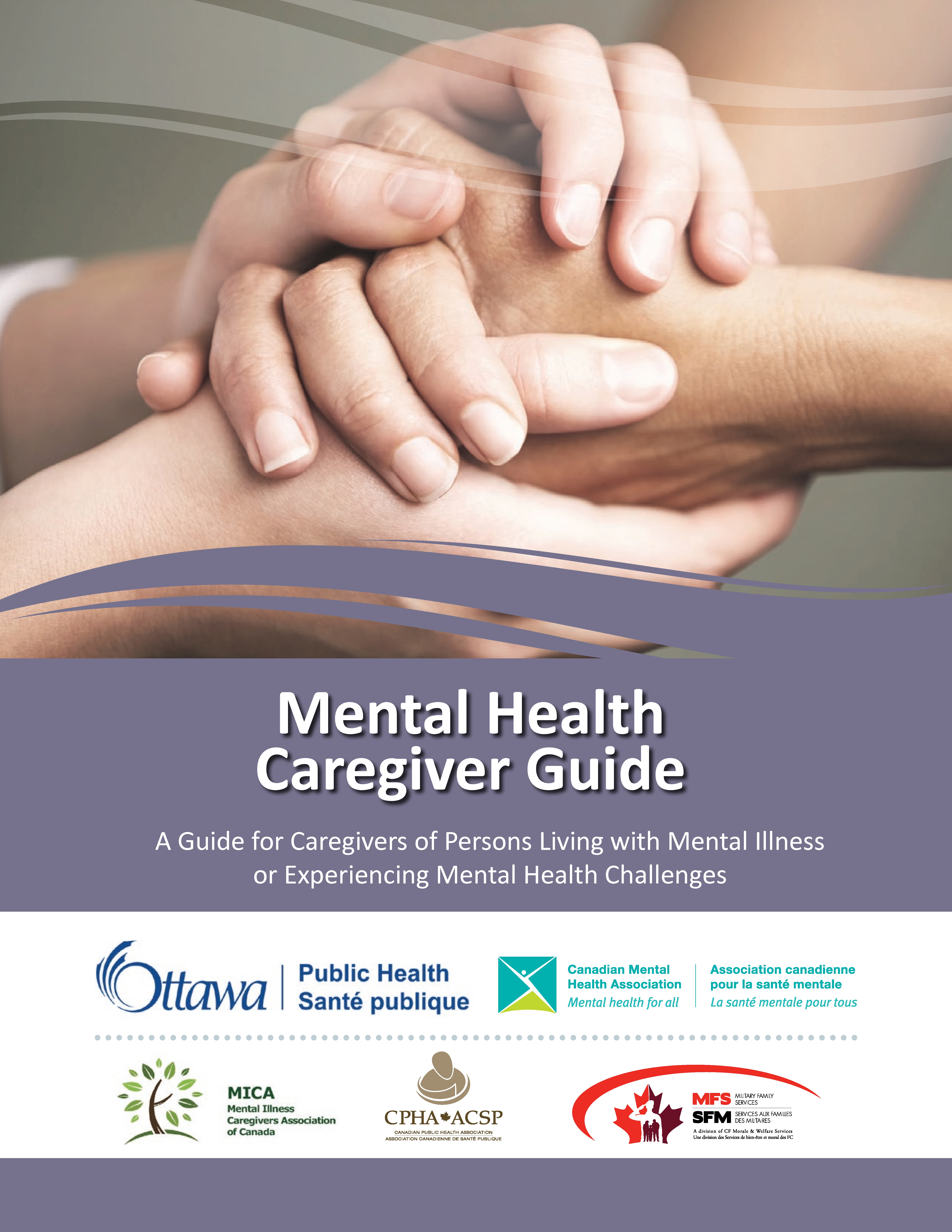
[vc_row][vc_column][/vc_column][/vc_row][vc_row][vc_column width=”2/3″][vc_column_text]In addition to validating the experience of family caregivers, this comprehensive guide for caregivers in the mental health system of eastern Ontario provides useful information and guidance, including how to take care of your own needs.[/vc_column_text][/vc_column][vc_column width=”1/3″][vc_single_image image=”3269″ img_size=”full” onclick=”custom_link” img_link_target=”_blank” link=”http://www.ottawapublichealth.ca/en/public-health-topics/resources/Documents/mental_health_caregiver_guide_en.pdf”][/vc_column][/vc_row]
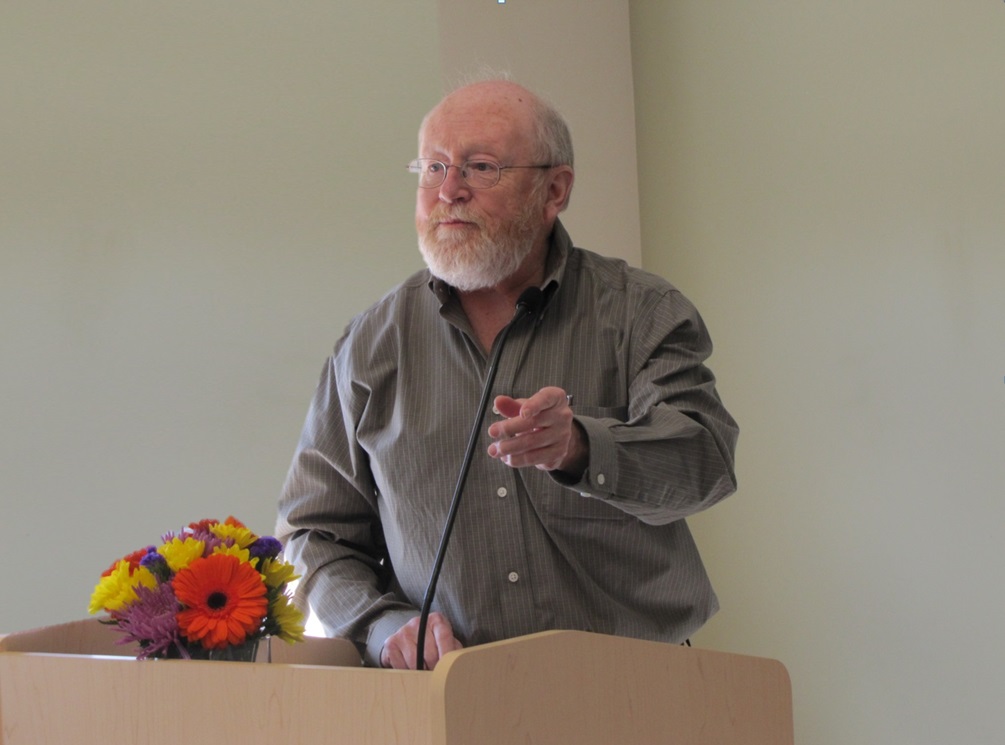
James’ caregiver journey
[vc_row][vc_column width=”1/2″][vc_column_text]For my wife Terry and I, the holiday weekend in August of 2004 was probably the saddest one of our lives. Our son had had a very rough year at university in New Brunswick. His grades had nosedived, and campus life was increasingly a struggle. He had been treated for depression since he was ten. And no matter what medication our family doctor tried, there was never any real improvement.
When classes ended, our son decided to stay out east. So I took down a used car we had purchased. I’ll never forget the despair I felt after he dropped me at the train station for my return trip home. I called Terry and told her I had a feeling we had lost our son.
That summer, unbeknownst to us, our son started upping his antidepressant dosage. We later learned that he was also engaging in all sorts of other risky behaviours. Towards the end of July, it all came crashing down around him. He had lost his job, his money was gone and he had no place to live.
Luckily, he cried out for help and I rushed out to drive him home. While we failed to recognize it then — what did we know of mental illness? — our son was in the midst of a classic manic episode. He was unable to sleep. He was paranoid. Both his thoughts and his speech were racing out of control.
[/vc_column_text][vc_empty_space height=”12″][/vc_column][vc_column width=”1/2″][vc_single_image image=”2883″ img_size=”full”][/vc_column][vc_column][vc_column_text]Our family was home for the holiday and we each took turns listening while our son ranted at us. Finally the penny dropped and we realized our son needed to be hospitalized. So we made the gut-wrenching decision to call the police and have him transported to Ottawa in the back of an O.P.P. cruiser.
Like deer caught in the headlights of an onrushing car, Terry and I came face-to-face with Ontario’s mental health system… a strangely twisted world we were ill prepared to navigate. A world where “patient’s rights” advisors could, and did, prevent our son from receiving the help he needed for six agonizing days. The diagnosis of Bipolar 1 was almost a relief. But it also brought grief. Our son’s dreams of earning a doctorate in science were smashed. As a result of what our son later termed his “brain attack”, he spent two years in his room. A young man who, until that time, had built his life around books, had effectively lost the ability to read.
As I mentioned, we knew zip about mental illness and realized, if we were going to be able to advocate for our son, we had to play some serious catch-up. Luckily, in the fall of 2004, the Cornwall branch of the CMHA started a family support group, which we joined. Two of the family members also volunteered to offer a Family-to-Family education course they had researched. Terry took the course and credits it with giving her the strength to carry on. In fact, she was so impressed with its worth, she trained to be an instructor and then taught it for six years.
For my part, I volunteered to lead the Cornwall family support group; it was threatened when the agency funding it hit a budget crunch. Luckily, Marilyn Macaulay joined the group and the rest, as they say, is history. After years of hearing horror stories about the mental health services in this region, Marilyn and I decided to conduct a survey of family caregivers in Cornwall and the surrounding area and take the results to the hospital in Cornwall and the Champlain Local Health Integration Network (LHIN). Our report… Survey of Mental Health Services in the Cornwall Region and Glengarry Counties… was published in November 2013.
The report was well received. More importantly, Christine Penney, Vice President, Community Programs at the Cornwall Community Hospital helped us put it in front of the right people. She was also supportive of our decision to join the Family Advisory Committee and Addiction & Mental Health Network of Champlain in Ottawa… and the Ontario Family Caregivers Advisory Network. And she worked hard to help us realize our goal of a Mental Health Family Advisory Council at the Cornwall Community Hospital.
As I have travelled this road, I have been guided by something written by Carol Grogan, a support group facilitator from Wisconsin, entitled “Open Letter to Mental Health Professionals:”
We want you to know that, despite what may be expressions of anger and hostility, we care deeply about our ill family member, and feel as much a desire to get involved in the treatment as we would if he or she were suffering from cancer, a kidney problem, or heart disease. Above all, we want to have access to you… and for you to have access to us and listen to us. In return, we hope to exercise great care and honesty in our contacts with you.
By the way, if you are wondering what happened to our son… fourteen years after his first psychotic break, he’s in recovery. He has insight into his disorder. And most importantly (for him), he is realizing his dream of completing his PhD in Biology.[/vc_column_text][/vc_column][/vc_row]