Discover helpful information, tips and tools for family carers, developed by Family Caregivers of British Columbia.
Category: Mental illness

Where to start support for a loved one with mental health needs
This information and advice is practical and will help caregivers to be effective in offering help to their loved one and getting the healthcare support they need.
Struggling with the burden of helping a loved one?
Caregivers will appreciate this 7-page article that deals with the topic of resilience in a sensitive and sensible manner.
Where to start support for a loved one with mental health needs
This information and advice is practical and will help caregivers to be effective in offering help to their loved one and getting the healthcare support they need.
Dealing with a mental illness diagnosis
Dealing with a mental illness diagnosis can be a difficult process and lead to many questions. Discover the answers to many of the common questions that patients and caregivers ask health care professionals.

Supporting mental health recovery
Family support can make a big difference to someone who is dealing with a mental health issue, but it’s hard for family caregivers to know what approach is best. Learn how to improve your skills to support your loved one on their road to recovery.
How to help a child cope with challenges
[vc_row][vc_column width=”2/3″][vc_column_text]Want to strengthen your relationship with a child who is struggling with mental illness or addiction? Learn about mastery, observations, feedback, and emotions in “Resilient Kids: How Can Parents Help?“[/vc_column_text][/vc_column][vc_column width=”1/3″][vc_single_image image=”5141″ img_size=”full” onclick=”custom_link” img_link_target=”_blank” link=”http://www.heretohelp.bc.ca/visions/families-vol8/resilient-kids-how-can-parents-help”][/vc_column][/vc_row]
Coping when your child has mental health challenges
[vc_row][vc_column width=”2/3″][vc_column_text]Informing yourself about mental illness after a child develops signs of mental illness is job-one for parents. Finding support, connecting with local resources, and tending to the feelings of family members come next. This guide covers a lot of ground of interest to parents, “Coping with Mental Illness for Caregivers.”[/vc_column_text][/vc_column][vc_column width=”1/3″][vc_single_image image=”4762″ img_size=”full”][/vc_column][/vc_row]
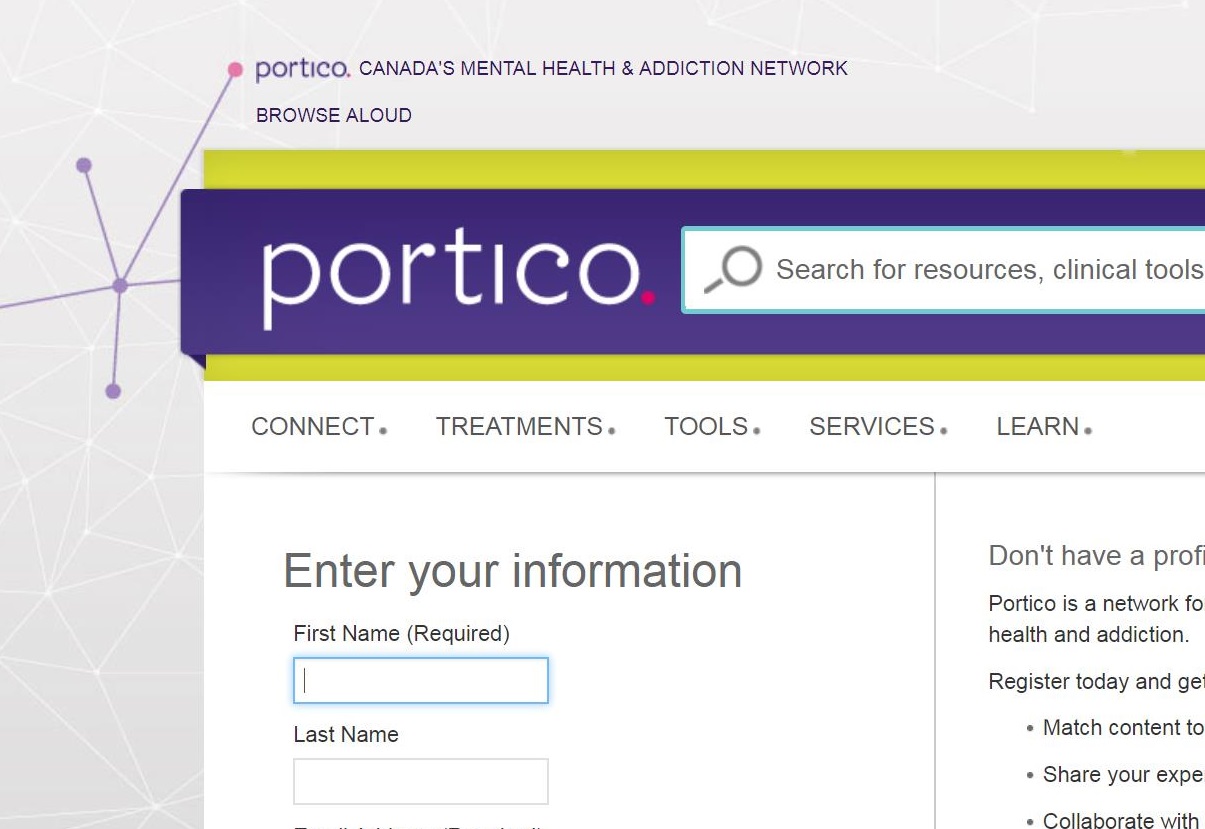
Join Portico: Canada’s Mental Health & Addictions Network
[vc_row][vc_column width=”2/3″][vc_column_text]Portico offers clinical tools and evidence-based materials for health care providers, social service workers and others. Its material may also be of interest to those with lived experience and their family caregivers.[/vc_column_text][/vc_column][vc_column width=”1/3″][vc_single_image image=”4452″ img_size=”full”][/vc_column][/vc_row]

4th Annual Canadian Mental Health Checkup
[vc_row][vc_column width=”2/3″][vc_column_text]Mental health remains a challenge for many Canadians and their families. This presentation summarizes the “4th Annual Canadian Mental Health Checkup.”[/vc_column_text][/vc_column][vc_column width=”1/3″][vc_single_image image=”4441″ img_size=”full”][/vc_column][/vc_row]
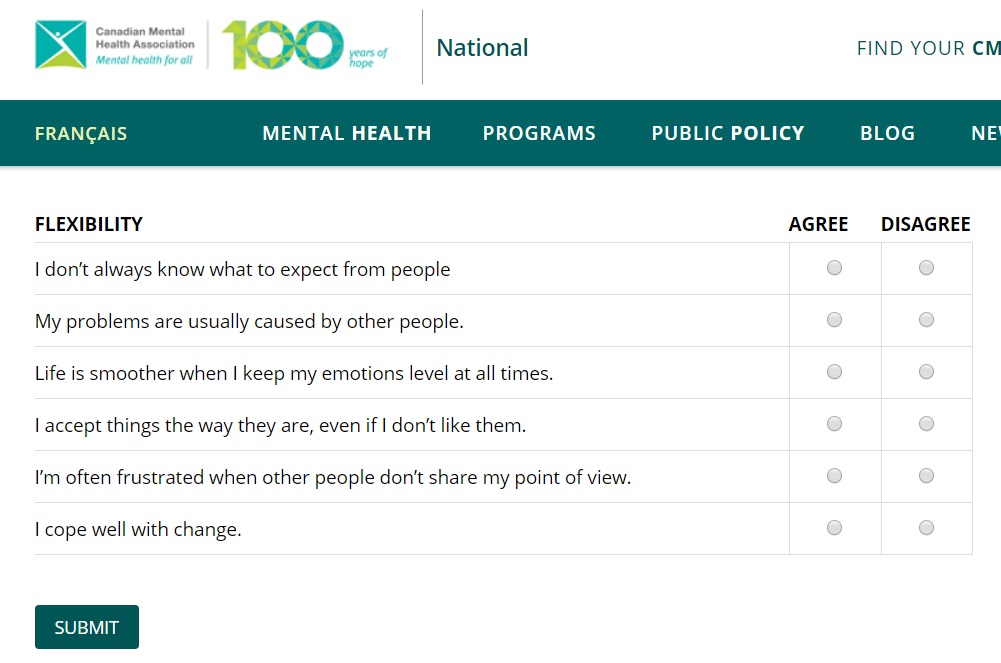
Mental health meter: What’s your score?
[vc_row][vc_column width=”2/3″][vc_column_text]Take the “Mental Health Meter” questionnaire to learn about the characteristics of good mental health and get feedback that can focus efforts to improve your own mental health outlook.[/vc_column_text][/vc_column][vc_column width=”1/3″][vc_single_image image=”4712″ img_size=”full”][/vc_column][/vc_row]

Preventing parent burnout
[vc_row][vc_column width=”2/3″][vc_column_text]Parenting a child with mental health issues is hard work. Here are 12 tips that may help you to meet the emotional challenges of being a caregiver.[/vc_column_text][/vc_column][vc_column width=”1/3″][vc_single_image image=”4331″][/vc_column][/vc_row]

Mental health and the law
[vc_row][vc_column width=”2/3″][vc_column_text]
Involuntary admission to hospital
[/vc_column_text][vc_empty_space height=”12″][vc_column_text]The Ontario Mental Health Act (1990) defines categories of psychiatric institutions, the legal rights of patients, and procedures for the treatment of patients who are deemed unable to consent for themselves. Family caregivers typically seek guidance from the Mental Health Act when their loved one refuses care or professional assistance.
There are three common ways for a person to be involuntarily admitted to a psychiatric facility in Ontario.[/vc_column_text][vc_empty_space height=”16″][vc_column_text]
Police custody
Under The Mental Health Act, Ontario police are able to apprehend a person for examination by a physician due to a belief that they may be an immediate danger to themselves or to others, or are not able to care for themselves.
Example:
- Police are called to attend someone’s home and apprehend a person under The Mental Health Act because they meet the stated criteria. The person is brought to the hospital and assessed by a physician who may take further steps such as calling a mental health professional or psychiatrist for further assessment.
Form 2
The family caregiver visits a justice of the peace to ask for an involuntary assessment of their loved one’s mental health and capacity due to concern for the person’s safety and well-being. The family caregiver fills out the necessary paper work and a justice of the peace generates a Form 2 that authorizes police to transport the loved one to a physician for an examination.
Example:
- A family member is concerned about an individual acting bizarrely and dangerously at home. They visit a justice of the peace and fill out paperwork. The justice of the peace accepts and issues a Form 2. The police visit the individual and bring them to hospital involuntarily for assessment by a physician.
Form 1
A physician may fill out a Form 1 if they have examined your loved one and have reasonable cause to believe that the requirements of Form 1 are met (download The Ontario College of Family Physicians Form 1 Application for Psychiatric Assessment).
Example:
- A person visits their family doctor and it is disclosed that the person is experiencing suicidal thoughts with a plan to attempt tonight. The doctor fills out a Form 1 and requests that the person attends a hospital to see a psychiatrist immediately. The person will then either contract for safety and attend with the doctor following up closely by phone or emergency services will transport the client to the hospital with the Form 1.
[/vc_column_text][vc_empty_space height=”16″][vc_empty_space height=”16″][/vc_column][vc_column width=”1/3″][vc_single_image image=”4763″ img_size=”full”][/vc_column][/vc_row][vc_row][vc_column width=”2/3″][vc_column_text]
Other legal forms to be aware of
[/vc_column_text][vc_empty_space height=”12″][/vc_column][vc_column width=”1/3″][/vc_column][/vc_row][vc_row][vc_column width=”2/3″][vc_column_text]
Renewal forms
Family caregivers may also need to know about forms that are used to renew involuntary admissions in the health system. If you need information about Form 3, Form 4, or others, refer to The Ontario Mental Health Act (1990). Family caregivers and health providers can also find information in this comprehensive guide, produced by the Ottawa Hospital Association, A Practical Guide to Mental Health and the Law in Ontario.
Power of attorney
There are three kinds of power of attorney in Ontario. Of these, the Power of attorney for personal care can be a useful tool for families whose loved one is unable to care for themselves (additional information is available from the Community Legal Education Ontario).
For additional information or to discuss specific legal issues, contact a legal professional. Legal Aid Ontario provides legal aid services to low-income individuals at the Stormont, Dundas & Glengarry Legal Clinic.
Ulysses agreement
When planning ahead, the Ulysses agreement can be a useful tool for families seeking to clarify what they should or should not do to support the loved one in a mental health crisis.
The Ulysses agreement also gives parents with a mental health condition a method to make legal arrangements for the care of their children in the event that they become unable to care for their children.
Learn more and access a blank, fillable form for the Ulysses Agreement.[/vc_column_text][/vc_column][vc_column width=”1/3″][/vc_column][/vc_row]

Do this in a crisis
[vc_row][vc_column][vc_column_text]
Is this a mental health crisis?
[/vc_column_text][vc_empty_space height=”16″][/vc_column][/vc_row][vc_row][vc_column width=”1/2″][vc_column_text]A mental health crisis is a non-life threatening situation where a person is showing extreme emotional disturbance or physical distress, considering harm to self or others, disoriented or out of touch with reality, has a compromised ability to function, or is otherwise agitated and unable to be calmed (must be willing to engage with mental health professionals).[/vc_column_text][vc_empty_space][vc_single_image image=”4358″ img_size=”full”][vc_empty_space][vc_column_text]Examples include: Talking about suicidal threats, talking about threatening behaviour, self-injury not requiring immediate medical attention, alcohol or substance abuse, highly erratic or unusual behaviour, and eating disorders.[/vc_column_text][/vc_column][vc_column width=”1/2″][vc_column_text]
Call a crisis line
Call the mental health crisis line serving Cornwall, Stormont, Dundas, Glengarry and Akwesasne at 1-866-996-0991.
Examples:
- Consult with a worker about possible resources based on the current situation
- Ask for information on local services
[/vc_column_text][vc_empty_space height=”24″][vc_column_text]
Seek out new information
Examples:
- Review the symptoms of psychosis or substance dependence
- Research patient support options that are available in your area and identify actions that may be appropriate to your situation (see the “Patient support & education tab” in Local Resources)
- Speak with family members, friends, colleagues and neighbours to find people who have had similar experiences and exchange information (see Caregiver support & education tab” in Local Resources)
- Download a mobile phone app to connect with support services, such as Connex Ontario (see Apps for mobile devices” in Helpful Links)
[/vc_column_text][vc_empty_space height=”24″][vc_column_text]
Inquire about patient services
If your loved one is willing to get help, contact a number of community health agencies to inquire about patient intake (how to enroll a new patient).
Examples:
- Call to make an appointment with a local addiction or mental health treatment centre
- Visit the Cornwall Hospital Community Addictions and Mental Health building and register your loved one for an appropriate patient care service
- Call the Canadian Mental Health Association of Champlain East to book an intake appointment for your loved one
- Visit the Canadian Mental Health Association of Champlain East and register your loved one for an appropriate patient care service
[/vc_column_text][/vc_column][/vc_row][vc_row][vc_column][vc_empty_space][/vc_column][/vc_row][vc_row][vc_column][vc_empty_space][/vc_column][/vc_row]

Do this in an emergency
[vc_row][vc_column][vc_column_text]
Is this a mental health emergency?
[/vc_column_text][vc_empty_space height=”16″][/vc_column][/vc_row][vc_row][vc_column width=”1/2″][vc_column_text]A mental health emergency is a life threatening situation where a person is imminently threatening harm to self or others, severely disorientated or out of touch with reality, has a severe inability to function, or is otherwise distraught and out of control.
Examples include: Acting on a suicidal threat, homicidal or threatening behaviours, self-injury requiring immediate medical attention, severely impaired judgement as a result of consuming drugs or alcohol, highly erratic or unusual behaviour that is very unpredictable and/or an inability to care for self.[/vc_column_text][vc_empty_space][/vc_column][vc_column width=”1/2″][vc_column_text]
Call 911 immediately
You feel that your loved one is at imminent risk of serious injury or death or if your loved one is posting a serious risk of bodily harm to someone else.
Examples:
- A person is going to attempt suicide or was interrupted in an attempt
- A person has a weapon or is actively threatening themselves or others with physical violence
- You find your loved one severely under the influence of drugs or unconscious
Call a crisis line
Call the mental health crisis line at 1-866-996-0991 and explain the current situation: My loved one is having a mental health/addiction emergency and is willing to see a mental health professional.
Examples:
- A person from the mental health crisis team may be able to come in person to the home
- The mental health team may advise visiting a local hospital for urgent care
Visit the closest hospital emergency department
You are extremely concerned about the physical safety of your loved one.
Examples:
- Your loved one feels like immediately acting on their suicidal thoughts
- Your loved one is suffering from withdrawal symptoms and there are concerns about physical safety
[/vc_column_text][/vc_column][/vc_row][vc_row][vc_column][vc_empty_space][/vc_column][/vc_row][vc_row][vc_column][vc_empty_space][/vc_column][/vc_row]

Parents waiting for mental health services
[vc_row][vc_column width=”2/3″][vc_column_text]Mental health problems are common in children and youth. Unfortunately, it can take months for an appointment with a mental health professional. Even though this can be frustrating, there are things parents can do to get ready. If you happen to be waiting, this article may help: “What parents can do while waiting for mental health services.”[/vc_column_text][/vc_column][vc_column width=”1/3″][vc_single_image image=”3960″ img_size=”full”][/vc_column][/vc_row]

Helping a loved one with schizophrenia
[vc_row][vc_column width=”2/3″][vc_column_text]Your support is important when a loved one has schizophrenia but it’s not always easy. This article may help to keep you on the road to recovery, without losing sight of your own needs and goals in life, “Helping someone with schizophrenia: Overcoming challenges while taking care of yourself.”[/vc_column_text][/vc_column][vc_column width=”1/3″][vc_single_image image=”3963″ img_size=”full”][/vc_column][/vc_row]

Identifying barriers to recovery
[vc_row][vc_column width=”2/3″][vc_column_text]Identifying obstacles to recovery can sometimes make the process easier to manage. Read about common obstacles and some of the solutions in this article, “Identify barriers to recovery“.[/vc_column_text][/vc_column][vc_column width=”1/3″][vc_single_image image=”3972″ img_size=”full”][/vc_column][/vc_row]
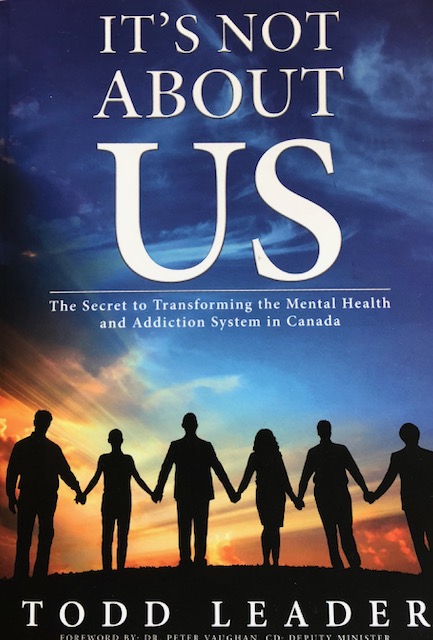
The secret to transforming the addiction and mental health system
[vc_row][vc_column width=”2/3″][vc_column_text]”It’s Not About Us: The Secret to Transforming the Mental Health and Addiction System” is a guide to improving the client experience in the mental health and addiction system in Canada.
This book is based on compelling principles and a real success story about a program in Nova Scotia that transformed its way of providing service, according to a new way of defining and understanding what it means to be client-centered. The program significantly improved the ease of access for clients to services, and enhanced the local health system’s capacity to prevent addictions and mental illness.[/vc_column_text][/vc_column][vc_column width=”1/3″][vc_single_image image=”3850″ img_size=”full”][/vc_column][/vc_row][vc_row][vc_column][vc_column_text]
[/vc_column_text][/vc_column][/vc_row]
How to get a psychiatric assessment
[vc_row][vc_column width=”2/3″][vc_column_text]When our loved ones appear to be suffering from mental illness, are perceived to be a danger to themselves or others, fail to care for their own needs, and are unwilling to obtain help, a psychiatric assessment may be necessary in order to determine an appropriate course of care.
This Ottawa Crisis Line article, How to get a psychiatric assessment, suggests encouraging your loved one to seek help. It also outlines the options for family caregivers who want to get an assessment for a loved one who is refusing to have one voluntarily. [/vc_column_text][/vc_column][vc_column width=”1/3″][vc_single_image image=”5060″ img_size=”full”][/vc_column][/vc_row]

Transition from hospital to home
[vc_row][vc_column][vc_column_text]
Hospital discharge planning advice for caregivers:
[/vc_column_text][vc_empty_space height=”16″][/vc_column][/vc_row][vc_row][vc_column width=”2/3″][vc_column_text]Patient discharge from the hospital and the transition back to the community is a very significant step for both the patient and the family caregiver. The recovery of your loved one is enhanced by a good discharge plan. Unfortunately, hospitals often struggle with effective discharge planning, so it is important that caregivers be prepared.[/vc_column_text][vc_empty_space height=”16″][vc_column_text]
Helpful tips
- Try to get an estimated date of discharge as soon as possible so that you can prepare to be available for pick up; consider your job and transportation needs; do you have enough time to get everything ready at home?
- If you do not feel ready or safe to have your loved one home, be sure to communicate with the nursing staff or department manager
- Ensure that you have a good relationship with your pharmacist; you can make an appointment to review any new medications for your loved one; after a hospitalization for mental illness or substance use, medications often change and sometimes at the last minute, so this is an essential relationship to cultivate; talk to the pharmacy about using blister packs (medication can be organized by pharmacy staff and packaged in daily doses), making it much easier for the patient and caregiver to monitor adherence to the prescribed therapy
- Encourage the doctor to fax prescriptions to your pharmacy a few days before the discharge date so that you can pick up the medications and have it at home before you arrive
- Encourage the doctor to fax any important medical information to your loved one’s family doctor; if your loved one does not have a family doctor, start getting on lists now because it is very important to have a medical professional on your team
- Does your home environment need to change; do you need a bath chair shower grip, or locking medicine cupboard?
- Speak with the nursing staff so you know what kind of help/care your loved one requires once discharged
- Ask questions about the autonomy of your loved one; can they stay alone during the day, can they cook, use appliances, go out for walk alone?
- What follow up appointments are booked and are they local?
- If you are working and cannot provide transportation, ask about community agencies that may provide transportation to medical appointments for free or for a nominal fee
- Ask about community programs for your loved one
- Ask about support groups for caregivers and other resources for you
- Ask who you can call if you get home and you have a question
- Always keep a running list of questions with you; when you visit your loved at the hospital, many of your questions will get answered along the way, but new ones will also come up
- When appropriate, you can ask for a family meeting with all of the professionals involved in your loved one’s care
- On the day of discharge, you should be given a discharge summary or package; this information should have been faxed to your family doctor and/or psychiatrist, but bring it to the first follow up appointment, just in case so that they can make a copy for your loved one’s medical file
- Ask questions; demonstrate that you have a knowledgeable role on the treatment team; although there is considerable evidence supporting including caregivers in treatment planning, some individuals/institutions are slower to make this transition; you will need to advocate for your loved one and may need to be assertive
- Ask for a peer-support appointment if you are finding your caregiver responsibilities stressful; ask for support, encouragement and help navigating your caregiver journey
[/vc_column_text][vc_empty_space height=”16″][/vc_column][vc_column width=”1/3″][vc_single_image image=”3977″ img_size=”full”][/vc_column][/vc_row][vc_row][vc_column][vc_column_text]
Further recommended reading
Be Prepared To Go Home Checklist
Hospital Discharge Planning: A guide for Families and Caregivers[/vc_column_text][/vc_column][/vc_row]
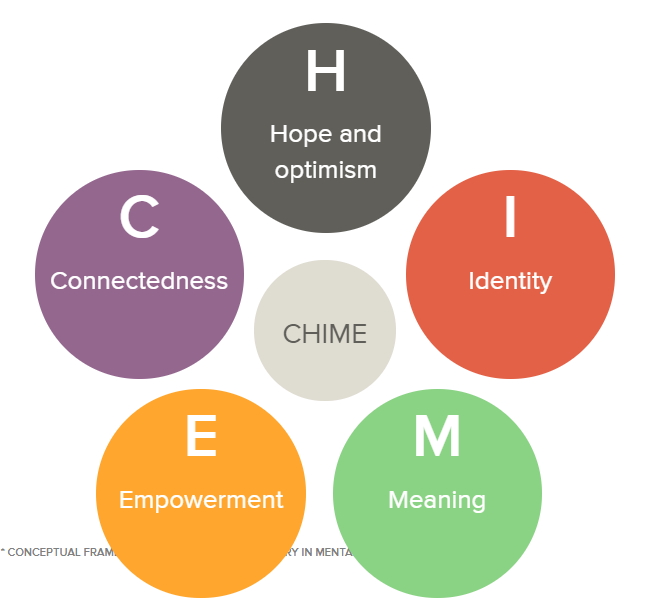
What helps recovery?
[vc_row][vc_column width=”2/3″][vc_column_text]What helps recovery? Explore the CHIME diagram to find out how connectedness, hope, identity, meaning and empowerment affect our loved ones experience through recovery.[/vc_column_text][/vc_column][vc_column width=”1/3″][vc_single_image image=”3727″ img_size=”full” onclick=”custom_link” link=”https://www.scottishrecovery.net/what-helps/”][/vc_column][/vc_row]
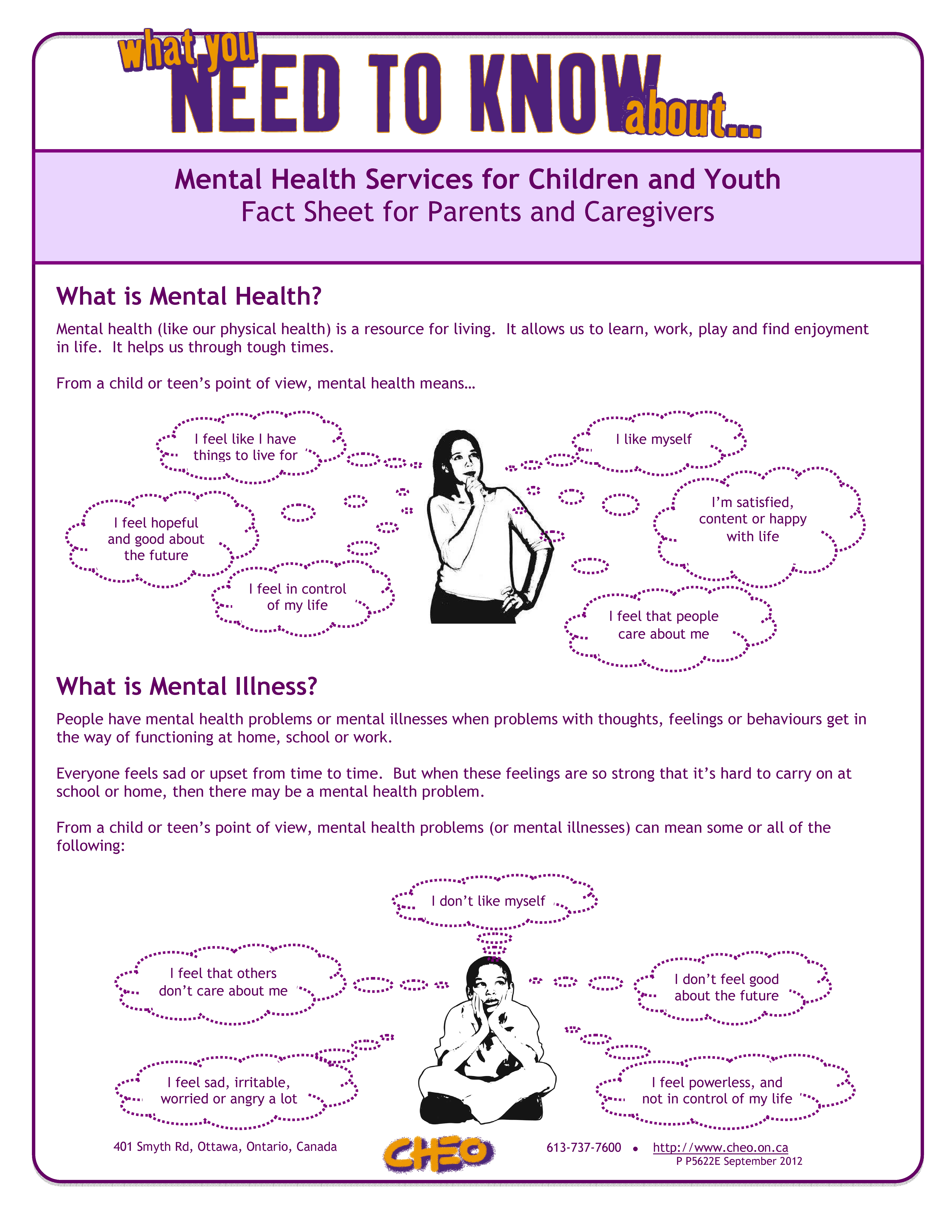
Mental health information sheets
[vc_row][vc_column width=”2/3″][vc_column_text]Heads-Ed (Ottawa and Regions) offers a collection of plain language information sheets on a wide variety of mental health topics. Examples include ADHD, eating disorders, gambling, LGBT, psychosis to trauma.[/vc_column_text][/vc_column][vc_column width=”1/3″][vc_single_image image=”6240″ img_size=”full”][/vc_column][/vc_row]

Setting healthy boundaries
[vc_row][vc_column width=”2/3″][vc_column_text]There are a number of boundaries to think about when you are a family caregiver. Some boundaries need to be set for yourself, some for your loved one, and others for your family.
Only you can know what the boundaries should be … and if you can carry through with the consequences that you set for crossing the boundaries.[/vc_column_text][vc_empty_space height=”16″][vc_column_text]
Where to begin
[/vc_column_text][vc_empty_space height=”16″][vc_column_text]Has helping your loved one created a pattern of unhealthy rescuing? Do your conversations about your loved one’s thoughts, feelings or behaviour spiral into bursts of anger of despair? There are good places to begin looking for boundaries that are healthy for you and respectful of others in your household.
Once you have established a firm boundary and it starts to free up your emotional energy and time, you will wish that you started sooner. That’s the good news.
The bad news is that setting boundaries is going to take some real thought and effort on your part. To help you get started, here are some helpful articles:
- Creating boundaries with your adult child
- Five lessons in setting boundaries that every caregiver must learn
- How to identify and create boundaries while caregiving[/vc_column_text][/vc_column][vc_column width=”1/3″][vc_single_image image=”4335″ img_size=”full”][/vc_column][/vc_row][vc_row][vc_column][vc_column_text]
[/vc_column_text][/vc_column][/vc_row][vc_row][vc_column][/vc_column][/vc_row][vc_row][vc_column][/vc_column][/vc_row]

Take-five and check your mood
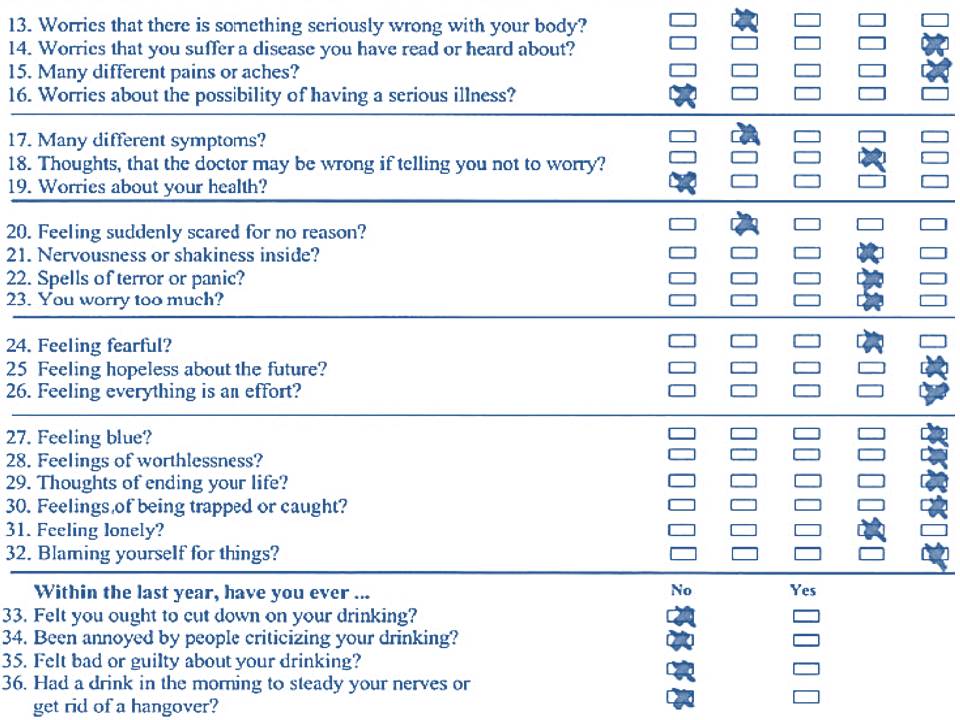
[vc_row][vc_column width=”2/3″][vc_column_text]Let’s face it, caregiving can be more than taxing when the family is affected by substance use or mental illness. If you’d like an objective measure of how you are holding up, here are four “Screening Self-Tests.”[/vc_column_text][/vc_column][vc_column width=”1/3″][vc_single_image image=”4766″ img_size=”full”][/vc_column][/vc_row]

Taking the sting out of stigma
[vc_row][vc_column width=”2/3″][vc_column_text]When a loved one is affected by a substance use disorder or mental illness, family caregivers eventually come face-to-face with stigma.[/vc_column_text][vc_empty_space height=”16″][vc_column_text]
What is stigma?
[/vc_column_text][vc_empty_space height=”16″][vc_column_text]Stigma is a mark of disgrace associated with a particular circumstance, quality or person.[/vc_column_text][vc_empty_space height=”16″][vc_column_text]
What to do?
[/vc_column_text][vc_empty_space height=”16″][vc_column_text]Start by getting to know the offending words … and better alternatives. We found a great word list and resources to learn more at Families for Addiction Recovery: Stigma.[/vc_column_text][/vc_column][vc_column width=”1/3″][vc_single_image image=”3496″ img_size=”full”][/vc_column][/vc_row]

How to love someone with a mental illness
[vc_row][vc_column width=”2/3″][vc_column_text]In this straight-talking article by a couple who have experienced life with a loved one suffering from a mental illness, you will discover the lessons they learned along the way, “Personal Stories: How To Love Someone With A Mental Illness.”[/vc_column_text][/vc_column][vc_column width=”1/3″][vc_single_image image=”3734″ img_size=”full”][/vc_column][/vc_row]

When a loved one won’t seek help
[vc_row][vc_column width=”2/3″][vc_column_text]What to do when you find yourself facing a communication breakdown “When a family member is unwilling to seek help?” This article may allow you to get your point across without making your family member feel defensive.[/vc_column_text][/vc_column][vc_column width=”1/3″][vc_single_image image=”4343″ img_size=”full”][/vc_column][/vc_row]
Mental health caregiver guide
[vc_row][vc_column][/vc_column][/vc_row][vc_row][vc_column width=”2/3″][vc_column_text]In addition to validating the experience of family caregivers, this comprehensive guide for caregivers in the mental health system of eastern Ontario provides useful information and guidance, including how to take care of your own needs.[/vc_column_text][/vc_column][vc_column width=”1/3″][vc_single_image image=”3269″ img_size=”full” onclick=”custom_link” img_link_target=”_blank” link=”http://www.ottawapublichealth.ca/en/public-health-topics/resources/Documents/mental_health_caregiver_guide_en.pdf”][/vc_column][/vc_row]

Advice on giving advice
[vc_row][vc_column][vc_column_text]One of the thinnest tightropes that family caregivers navigate is encouraging a loved one to seek mental health treatment. The stakes are high, the subject is touchy, and years of stressful family dynamics inevitably come into play.
In this podcast, “Savvy Psychologist” Dr. Ellen Hendriksen gets some great advice from mental health advocate Gabe Howard about the family member’s role in a loved one’s mental health recovery.[/vc_column_text][/vc_column][/vc_row]