Motivating substance users with family support

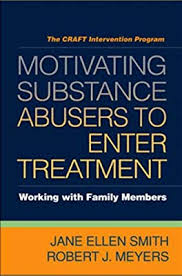
[vc_row][vc_column width=”2/3″][vc_column_text]This acclaimed book, “Motivating Substance Abusers to Enter Treatment: Working with Family Members,” presents the Community Reinforcement and Family Training (CRAFT) model of addiction recovery.

This time- and cost-effective therapy program is designed to engage family caregivers who want to motivate a loved one to seek help for a substance use problem.

The authors’ non-confrontational approach teaches concerned significant others (CSOs) how to change their own behavior in order to reward sobriety, discourage substance use, and ultimately help get the substance abuser into treatment.[/vc_column_text][/vc_column][vc_column width=”1/3″][vc_single_image image=”6269″ img_size=”full” onclick=”img_link_large” img_link_target=”_blank”][/vc_column][/vc_row]

Do this in a crisis

[vc_row][vc_column][vc_column_text]

Is this a mental health crisis?

[/vc_column_text][vc_empty_space height=”16″][/vc_column][/vc_row][vc_row][vc_column width=”1/2″][vc_column_text]A mental health crisis is a non-life threatening situation where a person is showing extreme emotional disturbance or physical distress, considering harm to self or others, disoriented or out of touch with reality, has a compromised ability to function, or is otherwise agitated and unable to be calmed (must be willing to engage with mental health professionals).[/vc_column_text][vc_empty_space][vc_single_image image=”4358″ img_size=”full”][vc_empty_space][vc_column_text]Examples include: Talking about suicidal threats, talking about threatening behaviour, self-injury not requiring immediate medical attention, alcohol or substance abuse, highly erratic or unusual behaviour, and eating disorders.[/vc_column_text][/vc_column][vc_column width=”1/2″][vc_column_text]

Call a crisis line

Call the mental health crisis line serving Cornwall, Stormont, Dundas, Glengarry and Akwesasne at 1-866-996-0991.

Examples:

  • Consult with a worker about possible resources based on the current situation
  • Ask for information on local services

[/vc_column_text][vc_empty_space height=”24″][vc_column_text]

Seek out new information

Examples:

  • Review the symptoms of psychosis or substance dependence
  • Research patient support options that are available in your area and identify actions that may be appropriate to your situation (see the “Patient support & education tab” in Local Resources)
  • Speak with family members, friends, colleagues and neighbours to find people who have had similar experiences and exchange information (see Caregiver support & education tab” in Local Resources)
  • Download a mobile phone app to connect with support services, such as Connex Ontario (see Apps for mobile devices” in Helpful Links)

[/vc_column_text][vc_empty_space height=”24″][vc_column_text]

Inquire about patient services

If your loved one is willing to get help, contact a number of community health agencies to inquire about patient intake (how to enroll a new patient).

Examples:

  • Call to make an appointment with a local addiction or mental health treatment centre
  • Visit the Cornwall Hospital Community Addictions and Mental Health building and register your loved one for an appropriate patient care service
  • Call the Canadian Mental Health Association of Champlain East to book an intake appointment for your loved one
  • Visit the Canadian Mental Health Association of Champlain East and register your loved one for an appropriate patient care service

[/vc_column_text][/vc_column][/vc_row][vc_row][vc_column][vc_empty_space][/vc_column][/vc_row][vc_row][vc_column][vc_empty_space][/vc_column][/vc_row]

Support for addiction withdrawal

[vc_row][vc_column width=”2/3″][vc_column_text]Did you know that Cornwall Community Hospital supports individuals through substance-use withdrawal?

Community Withdrawal Management Services in Cornwall, Ontario, provides individualized emotional and medically-supported  services through withdrawal from alcohol and drugs. This judgement-free care environment supports all methods of recovery and all paths on the road to recovery from substance abuse. Clients are able to choose on-site medically-supported care, outpatient support, or referral to off-site residential withdrawal care in Ottawa or Kingston.

Each clients’ needs for stabilization in the community after withdrawal is also addressed, e.g. housing, food and medical assistance. Clients  also receive support with their transition to community living, with referrals to medical care, mental health care, counselling, and community education or recreation programs.

There are three ways to access Cornwall Community Withdrawal Management Services:

  1. Immediate: Staff is available by phone to provide information between 8 am and 10 pm. Walk-in patients are welcome Monday to Friday, 8 am-4 pm, at Cornwall Hospital’s Community Addiction and Mental Health Centre (850 McConnell Avenue)
  2. By appointment: Call 613-938-8506 to schedule an appointment.
  3. By referral: Individuals seeking support with withdrawal from alcohol or drug use do not require a referral into this service but referrals are accepted from community service providers, nurse practitioners and physicians.

If you or your loved one is experiencing medical complications associated with substance use withdrawal or is in need of emergency care for substance use, urgent care is available at Cornwall Hospital’s Emergency Department (840 McConnell Avenue).

[/vc_column_text][/vc_column][vc_column width=”1/3″][vc_single_image image=”3101″ img_size=”full”][/vc_column][/vc_row]