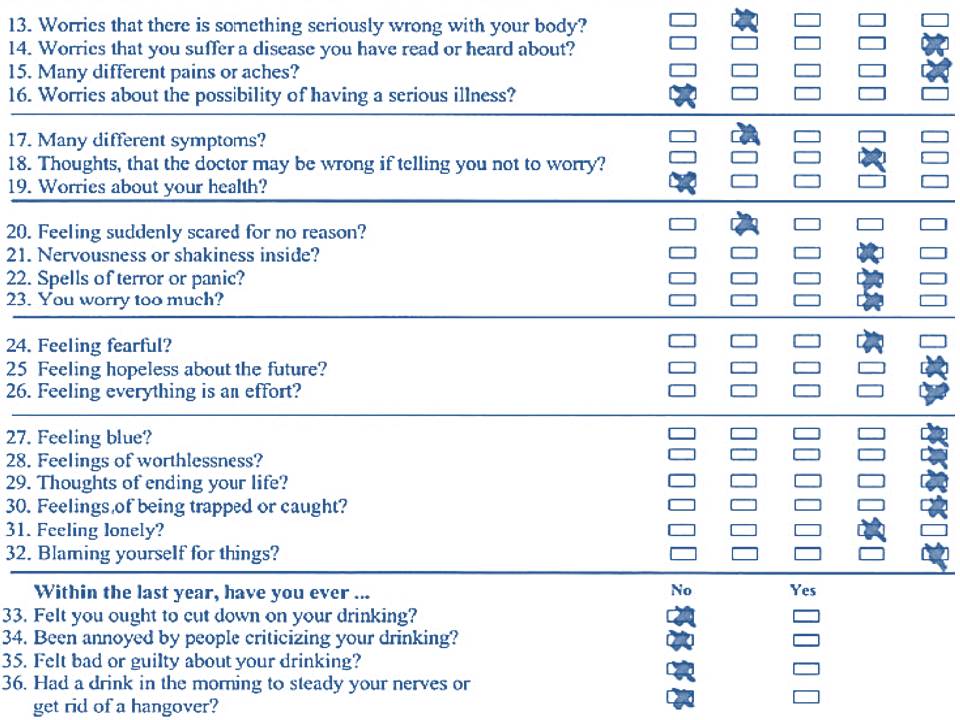
A screening test is one of the quickest and easiest ways to determine whether you are experiencing symptoms of a mental health or substance use condition. Free, anonymous and confidential tests can indicate symptoms of depression, anxiety, bipolar disorder, PTSD, alcohol. substance use and more. Here are Mental Health America’s available tests.
Category: Navigating the health system
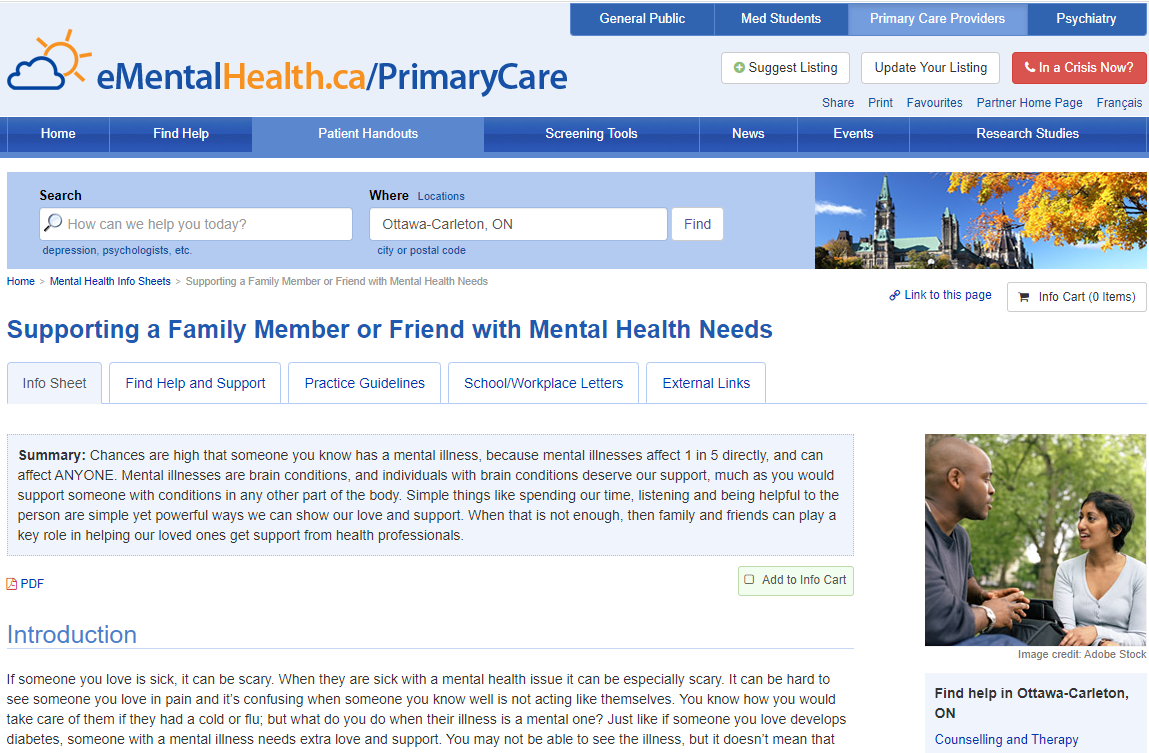
Where to start support for a loved one with mental health needs
This information and advice is practical and will help caregivers to be effective in offering help to their loved one and getting the healthcare support they need.

Do you need a health coach?
Patients struggling to manage a chronic disease(s) may be surprised to learn that there are health coaches available to help them get it under control. Even better, the service is free.
Resources in Champlain
Check out this helpful list of community support services in the Champlain region of Ontario (region includes Vankleek Hill, Caledonia Springs, Blue Corners, L’orignal and Hawkesbury).

Families as partners
This 2006 report describes the significant effect of mental health and addiction problems on families, identifies the common needs of families in this situation, and provides a blueprint for involving family caregivers as partners in care.

Unwilling to get help?
[vc_row][vc_column][vc_column_text]It can be difficult when you are watching a loved one suffer with a mental health or substance use problem and they have no desire to get help. This article offers helpful advice on how to talk to your family member/friend.[/vc_column_text][/vc_column][/vc_row]
Visit the Family Caregiver Centre
[vc_row][vc_column width=”2/3″][vc_column_text]The Changing CARE: Embrace Family Caregiver Centre is now open at Cornwall Community Hospital, providing family caregivers with daily access to information and support, between the hours of 6 AM and 8 PM.[/vc_column_text][vc_empty_space height=”16″][vc_column_text]
Self-service and in-person support
Family caregivers who are comfortable with a self-service approach can drop by at any convenient time, while those who prefer in-person support are advised to visit between the hours of 12 noon and 4 p.m., Monday through Friday, when the family caregiver volunteers are available to help.
If you provide emotional or physical support to a loved one in our health system and you live somewhere within Cornwall, Stormont, Dundas, Glengarry and Akwesasne (Ontario), we can help you connect with the local information and support services that family caregivers need.[/vc_column_text][/vc_column][vc_column width=”1/3″][vc_single_image image=”8402″ img_size=”full”][/vc_column][/vc_row][vc_row][vc_column][vc_column_text]
Lots to explore
Volunteers in the Family Caregiver Centre are ready to help you discover:
- Information about your loved one’s illness and how to navigate the health system.
- A local support group for family caregiver like you.
- Self-help activities that you think may help
- Workshops and webinars for family caregivers like you.
- Walk-in support services that are available in our community.
- Individual counselling support for when the going gets tough.
Visitors to the new Family Caregiver Centre are also welcome to borrow a book from our lending library (visit Monday-Friday between 12-4 p.m.), reserve the meeting room or simply stop in to take a rest from caregiving.[/vc_column_text][vc_empty_space height=”16″][vc_column_text]
Find us on the hospital’s ground floor
The Family Caregiver Centre is located on the main floor of the hospital at 840 McConnell Avenue in Cornwall (Ontario). Visitors are welcome and encouraged to ask a hospital auxiliary volunteer for directions to the new Centre once they arrive in the building.[/vc_column_text][/vc_column][/vc_row]

Mental health and the law
[vc_row][vc_column width=”2/3″][vc_column_text]
Involuntary admission to hospital
[/vc_column_text][vc_empty_space height=”12″][vc_column_text]The Ontario Mental Health Act (1990) defines categories of psychiatric institutions, the legal rights of patients, and procedures for the treatment of patients who are deemed unable to consent for themselves. Family caregivers typically seek guidance from the Mental Health Act when their loved one refuses care or professional assistance.
There are three common ways for a person to be involuntarily admitted to a psychiatric facility in Ontario.[/vc_column_text][vc_empty_space height=”16″][vc_column_text]
Police custody
Under The Mental Health Act, Ontario police are able to apprehend a person for examination by a physician due to a belief that they may be an immediate danger to themselves or to others, or are not able to care for themselves.
Example:
- Police are called to attend someone’s home and apprehend a person under The Mental Health Act because they meet the stated criteria. The person is brought to the hospital and assessed by a physician who may take further steps such as calling a mental health professional or psychiatrist for further assessment.
Form 2
The family caregiver visits a justice of the peace to ask for an involuntary assessment of their loved one’s mental health and capacity due to concern for the person’s safety and well-being. The family caregiver fills out the necessary paper work and a justice of the peace generates a Form 2 that authorizes police to transport the loved one to a physician for an examination.
Example:
- A family member is concerned about an individual acting bizarrely and dangerously at home. They visit a justice of the peace and fill out paperwork. The justice of the peace accepts and issues a Form 2. The police visit the individual and bring them to hospital involuntarily for assessment by a physician.
Form 1
A physician may fill out a Form 1 if they have examined your loved one and have reasonable cause to believe that the requirements of Form 1 are met (download The Ontario College of Family Physicians Form 1 Application for Psychiatric Assessment).
Example:
- A person visits their family doctor and it is disclosed that the person is experiencing suicidal thoughts with a plan to attempt tonight. The doctor fills out a Form 1 and requests that the person attends a hospital to see a psychiatrist immediately. The person will then either contract for safety and attend with the doctor following up closely by phone or emergency services will transport the client to the hospital with the Form 1.
[/vc_column_text][vc_empty_space height=”16″][vc_empty_space height=”16″][/vc_column][vc_column width=”1/3″][vc_single_image image=”4763″ img_size=”full”][/vc_column][/vc_row][vc_row][vc_column width=”2/3″][vc_column_text]
Other legal forms to be aware of
[/vc_column_text][vc_empty_space height=”12″][/vc_column][vc_column width=”1/3″][/vc_column][/vc_row][vc_row][vc_column width=”2/3″][vc_column_text]
Renewal forms
Family caregivers may also need to know about forms that are used to renew involuntary admissions in the health system. If you need information about Form 3, Form 4, or others, refer to The Ontario Mental Health Act (1990). Family caregivers and health providers can also find information in this comprehensive guide, produced by the Ottawa Hospital Association, A Practical Guide to Mental Health and the Law in Ontario.
Power of attorney
There are three kinds of power of attorney in Ontario. Of these, the Power of attorney for personal care can be a useful tool for families whose loved one is unable to care for themselves (additional information is available from the Community Legal Education Ontario).
For additional information or to discuss specific legal issues, contact a legal professional. Legal Aid Ontario provides legal aid services to low-income individuals at the Stormont, Dundas & Glengarry Legal Clinic.
Ulysses agreement
When planning ahead, the Ulysses agreement can be a useful tool for families seeking to clarify what they should or should not do to support the loved one in a mental health crisis.
The Ulysses agreement also gives parents with a mental health condition a method to make legal arrangements for the care of their children in the event that they become unable to care for their children.
Learn more and access a blank, fillable form for the Ulysses Agreement.[/vc_column_text][/vc_column][vc_column width=”1/3″][/vc_column][/vc_row]

Do this in a crisis
[vc_row][vc_column][vc_column_text]
Is this a mental health crisis?
[/vc_column_text][vc_empty_space height=”16″][/vc_column][/vc_row][vc_row][vc_column width=”1/2″][vc_column_text]A mental health crisis is a non-life threatening situation where a person is showing extreme emotional disturbance or physical distress, considering harm to self or others, disoriented or out of touch with reality, has a compromised ability to function, or is otherwise agitated and unable to be calmed (must be willing to engage with mental health professionals).[/vc_column_text][vc_empty_space][vc_single_image image=”4358″ img_size=”full”][vc_empty_space][vc_column_text]Examples include: Talking about suicidal threats, talking about threatening behaviour, self-injury not requiring immediate medical attention, alcohol or substance abuse, highly erratic or unusual behaviour, and eating disorders.[/vc_column_text][/vc_column][vc_column width=”1/2″][vc_column_text]
Call a crisis line
Call the mental health crisis line serving Cornwall, Stormont, Dundas, Glengarry and Akwesasne at 1-866-996-0991.
Examples:
- Consult with a worker about possible resources based on the current situation
- Ask for information on local services
[/vc_column_text][vc_empty_space height=”24″][vc_column_text]
Seek out new information
Examples:
- Review the symptoms of psychosis or substance dependence
- Research patient support options that are available in your area and identify actions that may be appropriate to your situation (see the “Patient support & education tab” in Local Resources)
- Speak with family members, friends, colleagues and neighbours to find people who have had similar experiences and exchange information (see Caregiver support & education tab” in Local Resources)
- Download a mobile phone app to connect with support services, such as Connex Ontario (see Apps for mobile devices” in Helpful Links)
[/vc_column_text][vc_empty_space height=”24″][vc_column_text]
Inquire about patient services
If your loved one is willing to get help, contact a number of community health agencies to inquire about patient intake (how to enroll a new patient).
Examples:
- Call to make an appointment with a local addiction or mental health treatment centre
- Visit the Cornwall Hospital Community Addictions and Mental Health building and register your loved one for an appropriate patient care service
- Call the Canadian Mental Health Association of Champlain East to book an intake appointment for your loved one
- Visit the Canadian Mental Health Association of Champlain East and register your loved one for an appropriate patient care service
[/vc_column_text][/vc_column][/vc_row][vc_row][vc_column][vc_empty_space][/vc_column][/vc_row][vc_row][vc_column][vc_empty_space][/vc_column][/vc_row]

Do this in an emergency
[vc_row][vc_column][vc_column_text]
Is this a mental health emergency?
[/vc_column_text][vc_empty_space height=”16″][/vc_column][/vc_row][vc_row][vc_column width=”1/2″][vc_column_text]A mental health emergency is a life threatening situation where a person is imminently threatening harm to self or others, severely disorientated or out of touch with reality, has a severe inability to function, or is otherwise distraught and out of control.
Examples include: Acting on a suicidal threat, homicidal or threatening behaviours, self-injury requiring immediate medical attention, severely impaired judgement as a result of consuming drugs or alcohol, highly erratic or unusual behaviour that is very unpredictable and/or an inability to care for self.[/vc_column_text][vc_empty_space][/vc_column][vc_column width=”1/2″][vc_column_text]
Call 911 immediately
You feel that your loved one is at imminent risk of serious injury or death or if your loved one is posting a serious risk of bodily harm to someone else.
Examples:
- A person is going to attempt suicide or was interrupted in an attempt
- A person has a weapon or is actively threatening themselves or others with physical violence
- You find your loved one severely under the influence of drugs or unconscious
Call a crisis line
Call the mental health crisis line at 1-866-996-0991 and explain the current situation: My loved one is having a mental health/addiction emergency and is willing to see a mental health professional.
Examples:
- A person from the mental health crisis team may be able to come in person to the home
- The mental health team may advise visiting a local hospital for urgent care
Visit the closest hospital emergency department
You are extremely concerned about the physical safety of your loved one.
Examples:
- Your loved one feels like immediately acting on their suicidal thoughts
- Your loved one is suffering from withdrawal symptoms and there are concerns about physical safety
[/vc_column_text][/vc_column][/vc_row][vc_row][vc_column][vc_empty_space][/vc_column][/vc_row][vc_row][vc_column][vc_empty_space][/vc_column][/vc_row]

Parents waiting for mental health services
[vc_row][vc_column width=”2/3″][vc_column_text]Mental health problems are common in children and youth. Unfortunately, it can take months for an appointment with a mental health professional. Even though this can be frustrating, there are things parents can do to get ready. If you happen to be waiting, this article may help: “What parents can do while waiting for mental health services.”[/vc_column_text][/vc_column][vc_column width=”1/3″][vc_single_image image=”3960″ img_size=”full”][/vc_column][/vc_row]

Health system lingo & acronyms explained
[vc_row][vc_column][vc_column_text]Our health system relies on common definitions and acronyms to expedite documentation and information exchange. The only problem is, patients and family caregivers who are new to the addiction and mental health system don’t understand the terms. These definitions will help. [/vc_column_text][vc_empty_space height=”32″][/vc_column][/vc_row][vc_row full_width=”stretch_row_content_no_spaces”][vc_column][vc_single_image image=”3967″ img_size=”full”][/vc_column][/vc_row][vc_row gap=”30″][vc_column][vc_empty_space height=”32″][vc_column_text]
Definitions
[/vc_column_text][vc_empty_space height=”16″][/vc_column][/vc_row][vc_row gap=”30″][vc_column width=”1/4″][vc_column_text]
| Concurrent disorder |
| Dual diagnosis |
[/vc_column_text][vc_empty_space height=”16″][/vc_column][vc_column width=”3/4″][vc_column_text]
| A condition in which a person has both a mental illness and a substance use problem |
| A dual diagnosis is given when a person has a mental illness and a developmental disability |
[/vc_column_text][/vc_column][/vc_row][vc_row][vc_column width=”3/4″][vc_column_text]
Acronyms
[/vc_column_text][vc_empty_space height=”16″][vc_column_text]
| ACTT
A&MH AMHNC BPD CACC CAMH CAMIMH CBT CCB CCH CDFSG CFHI CHC CLHIN CMHA CoI CTO DBT DSM-5 Dx EAP ECT ED EENet EHR FAC FH FIMI FIPPA FIT FWRAP GAM HCP HIC HSIP HQO IPC LAI LEAD LHIN MDAO MDD MERIT MFIPPA MHA MH&A MHCC MHFAC NAMI OAARS OCC OCD ODP ODSP OFCAN OPOC-MHA OTN PCU PHI PHIPA PIA PIPA PIPEDA PLEO PMH POA POC PSO PST PTSD QBP ROMHC RDSP SAD SDM SFT SMI SSO TED Tx WRAP |
Assertive Community Treatment Team
Addiction and Mental Health Addictions and Mental Health Network of Champlain Borderline Personality Disorder Client Advisory Council of Champlain Centre for Addiction and Mental Health The Canadian Alliance of Mental Illness and Mental Health Cognitive Behaviour Therapy Consent and Capacity Board Cornwall Community Hospital Cornwall & District Family Support Group Canadian Foundation for Healthcare Improvement Community Health Centre Champlain Local Health Integrated Network Canadian Mental Health Association Community of Interest Community Treatment Order Dialectical Behaviour Therapy Diagnostic and Statistical Manual of Mental Disorders (5th Edition ) Diagnosis Employee Assistance Program Electroconvulsive Therapy Emergency Department Evidence Exchange Network Electronic Health Record Family Advisory Committee of Champlain Family History Families Impacted by Mental Illness Freedom of Information Protection of Privacy Act Feedback Informed Treatment Family Wellness Recovery Action Plan Gaining Autonomy with My Medication (Program from Quebec) Health Care Provider Health Information Custodian Health Service Improvement Proposal Health Quality Ontario Information and Privacy Commissioner Long-Acting Injectable Local Emergency Ambulance Diversion Local Health Integration Network Mood Disorders Association of Ontario Major Depressive Disorder Multi-agency Early Risk Intervention Tables Municipal Freedom of Information & Protection of Privacy Act Mental Health Act Mental Health and Addictions Mental Health Commission of Canada Mental Health Family Advisory Council National Alliance on Mental Illness Ottawa Addictions Access & Referral Services Ontario Caregiver Coalition Obsessive-Compulsive Disorder Ontario Drug Plan Ontario Disability Support Program Ontario Family Caregivers’ Advisory Network Ontario Perception of Care Tool for Mental Health and Addictions Ontario Tele-Network Psychiatric Care Unit Personal Health Information Personal Health Information Protection Act Privacy Impact Assessment Health Information Protection Act Personal Information Protection & Electronic Documents Act Parents Lifelines of Eastern Ontario Past Medical History Power of Attorney Proof of Concept Psychiatric Survivors of Ottawa Problem Solving Therapy Post-Traumatic Stress Disorder Quality-Based Procedures Royal Ottawa Mental Health Centre Registered Disability Savings Plan Seasonal Affective Disorder Substitute Decision Maker Strengthening Families Together (course offered by CDFSG) Serious Mental Illness Schizophrenia Society of Ontario Targeted Engagement & Diversion Program Treatment Wellness Recovery Action Plan |
[/vc_column_text][/vc_column][vc_column width=”1/4″][vc_column_text]
More health terms for caregivers
[/vc_column_text][vc_empty_space height=”16″][vc_column_text]A useful list of words you are likely to encounter in Ontario’s health system, A List of Ontario Health Care Acronyms: For Patient and Caregiver Advisors.[/vc_column_text][/vc_column][/vc_row]
How to get a psychiatric assessment
[vc_row][vc_column width=”2/3″][vc_column_text]When our loved ones appear to be suffering from mental illness, are perceived to be a danger to themselves or others, fail to care for their own needs, and are unwilling to obtain help, a psychiatric assessment may be necessary in order to determine an appropriate course of care.
This Ottawa Crisis Line article, How to get a psychiatric assessment, suggests encouraging your loved one to seek help. It also outlines the options for family caregivers who want to get an assessment for a loved one who is refusing to have one voluntarily. [/vc_column_text][/vc_column][vc_column width=”1/3″][vc_single_image image=”5060″ img_size=”full”][/vc_column][/vc_row]

Transition from hospital to home
[vc_row][vc_column][vc_column_text]
Hospital discharge planning advice for caregivers:
[/vc_column_text][vc_empty_space height=”16″][/vc_column][/vc_row][vc_row][vc_column width=”2/3″][vc_column_text]Patient discharge from the hospital and the transition back to the community is a very significant step for both the patient and the family caregiver. The recovery of your loved one is enhanced by a good discharge plan. Unfortunately, hospitals often struggle with effective discharge planning, so it is important that caregivers be prepared.[/vc_column_text][vc_empty_space height=”16″][vc_column_text]
Helpful tips
- Try to get an estimated date of discharge as soon as possible so that you can prepare to be available for pick up; consider your job and transportation needs; do you have enough time to get everything ready at home?
- If you do not feel ready or safe to have your loved one home, be sure to communicate with the nursing staff or department manager
- Ensure that you have a good relationship with your pharmacist; you can make an appointment to review any new medications for your loved one; after a hospitalization for mental illness or substance use, medications often change and sometimes at the last minute, so this is an essential relationship to cultivate; talk to the pharmacy about using blister packs (medication can be organized by pharmacy staff and packaged in daily doses), making it much easier for the patient and caregiver to monitor adherence to the prescribed therapy
- Encourage the doctor to fax prescriptions to your pharmacy a few days before the discharge date so that you can pick up the medications and have it at home before you arrive
- Encourage the doctor to fax any important medical information to your loved one’s family doctor; if your loved one does not have a family doctor, start getting on lists now because it is very important to have a medical professional on your team
- Does your home environment need to change; do you need a bath chair shower grip, or locking medicine cupboard?
- Speak with the nursing staff so you know what kind of help/care your loved one requires once discharged
- Ask questions about the autonomy of your loved one; can they stay alone during the day, can they cook, use appliances, go out for walk alone?
- What follow up appointments are booked and are they local?
- If you are working and cannot provide transportation, ask about community agencies that may provide transportation to medical appointments for free or for a nominal fee
- Ask about community programs for your loved one
- Ask about support groups for caregivers and other resources for you
- Ask who you can call if you get home and you have a question
- Always keep a running list of questions with you; when you visit your loved at the hospital, many of your questions will get answered along the way, but new ones will also come up
- When appropriate, you can ask for a family meeting with all of the professionals involved in your loved one’s care
- On the day of discharge, you should be given a discharge summary or package; this information should have been faxed to your family doctor and/or psychiatrist, but bring it to the first follow up appointment, just in case so that they can make a copy for your loved one’s medical file
- Ask questions; demonstrate that you have a knowledgeable role on the treatment team; although there is considerable evidence supporting including caregivers in treatment planning, some individuals/institutions are slower to make this transition; you will need to advocate for your loved one and may need to be assertive
- Ask for a peer-support appointment if you are finding your caregiver responsibilities stressful; ask for support, encouragement and help navigating your caregiver journey
[/vc_column_text][vc_empty_space height=”16″][/vc_column][vc_column width=”1/3″][vc_single_image image=”3977″ img_size=”full”][/vc_column][/vc_row][vc_row][vc_column][vc_column_text]
Further recommended reading
Be Prepared To Go Home Checklist
Hospital Discharge Planning: A guide for Families and Caregivers[/vc_column_text][/vc_column][/vc_row]
Not being heard in the health system?
[vc_row][vc_column width=”2/3″][vc_column_text]When you’re not heard as a caregiver, it can lead to confusion, lost time or worse. That’s why you may want to be persistent in getting information across.[/vc_column_text][/vc_column][vc_column width=”1/3″][vc_single_image image=”3742″ img_size=”medium”][/vc_column][/vc_row]
Mental health caregiver guide
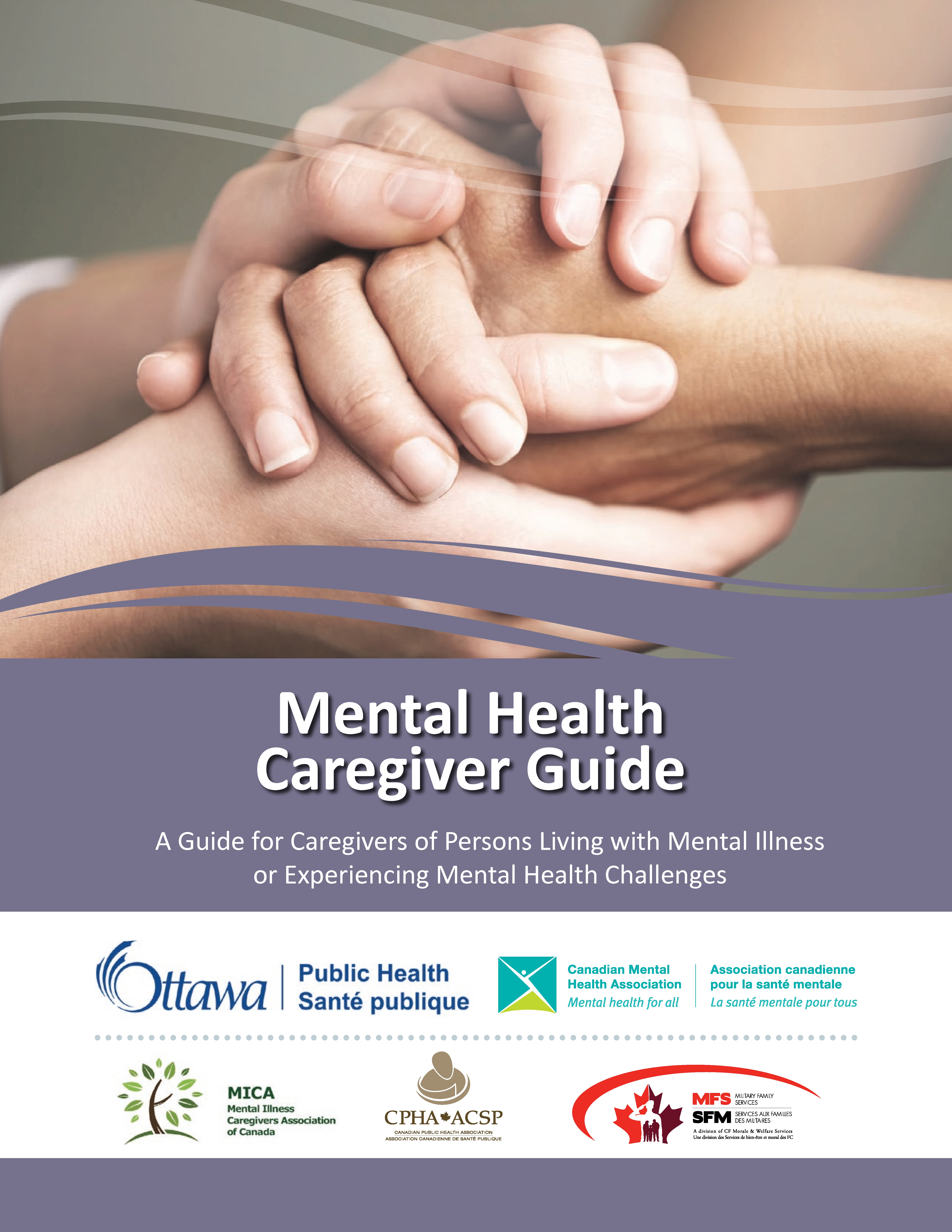
[vc_row][vc_column][/vc_column][/vc_row][vc_row][vc_column width=”2/3″][vc_column_text]In addition to validating the experience of family caregivers, this comprehensive guide for caregivers in the mental health system of eastern Ontario provides useful information and guidance, including how to take care of your own needs.[/vc_column_text][/vc_column][vc_column width=”1/3″][vc_single_image image=”3269″ img_size=”full” onclick=”custom_link” img_link_target=”_blank” link=”http://www.ottawapublichealth.ca/en/public-health-topics/resources/Documents/mental_health_caregiver_guide_en.pdf”][/vc_column][/vc_row]

Support for addiction withdrawal
[vc_row][vc_column width=”2/3″][vc_column_text]Did you know that Cornwall Community Hospital supports individuals through substance-use withdrawal?
Community Withdrawal Management Services in Cornwall, Ontario, provides individualized emotional and medically-supported services through withdrawal from alcohol and drugs. This judgement-free care environment supports all methods of recovery and all paths on the road to recovery from substance abuse. Clients are able to choose on-site medically-supported care, outpatient support, or referral to off-site residential withdrawal care in Ottawa or Kingston.
Each clients’ needs for stabilization in the community after withdrawal is also addressed, e.g. housing, food and medical assistance. Clients also receive support with their transition to community living, with referrals to medical care, mental health care, counselling, and community education or recreation programs.
There are three ways to access Cornwall Community Withdrawal Management Services:
- Immediate: Staff is available by phone to provide information between 8 am and 10 pm. Walk-in patients are welcome Monday to Friday, 8 am-4 pm, at Cornwall Hospital’s Community Addiction and Mental Health Centre (850 McConnell Avenue)
- By appointment: Call 613-938-8506 to schedule an appointment.
- By referral: Individuals seeking support with withdrawal from alcohol or drug use do not require a referral into this service but referrals are accepted from community service providers, nurse practitioners and physicians.
If you or your loved one is experiencing medical complications associated with substance use withdrawal or is in need of emergency care for substance use, urgent care is available at Cornwall Hospital’s Emergency Department (840 McConnell Avenue).
[/vc_column_text][/vc_column][vc_column width=”1/3″][vc_single_image image=”3101″ img_size=”full”][/vc_column][/vc_row]

What is harm reduction?
[vc_row][vc_column width=”2/3″][vc_column_text]The Ontario branch of the Canadian Mental Health Association defines harm reduction is an evidence-based, client-centred approach that seeks to reduce the health and social harms associated with addiction and substance use, without necessarily requiring people who use substances to abstain or stop.
The key features of harm reduction are pragmatism, humane values that respect the choice and dignity of the people who use substances, and a focus on reducing the risk of harm. Learn more about harm reduction.[/vc_column_text][/vc_column][vc_column width=”1/3″][vc_single_image image=”3015″ img_size=”full”][/vc_column][/vc_row]

Questions about patient privacy & consent?
[vc_row][vc_column width=”2/3″][vc_column_text]When the problem is addiction or mental health, questions about the patient’s ability to make healthcare decisions is bound to come up. This is where Ontario’s privacy and consent rules come into play.
Unfortunately, the rules can be complicated and open to interpretation but it is well worth the effort to get to know the rules of engagement.
If you want to understand when and why family caregivers and health providers can and cannot share information about the patient, Questions & Answers on Patient Privacy and Consent in The Addiction and Mental Health System in Ontario has the answers. This Q&A document presents the answers to common questions. It also gives health providers and family caregivers the insight they need to get the most out of their interactions while working within the rules.[/vc_column_text][vc_empty_space height=”24″][/vc_column][vc_column width=”1/3″][vc_single_image image=”2924″ img_size=”full”][/vc_column][/vc_row][vc_row][vc_column width=”1/3″][vc_single_image image=”3062″ img_size=”full”][/vc_column][vc_column width=”2/3″][vc_column_text]Further reading on this subject is available from The Change Foundation that will:
- Explain the legal framework that applies to caregivers and providers under Ontario’s health privacy legislation, the Personal Health Information Protection Act, 2004
- Explain the consent requirements outlined in the Health Care Consent Act, 1996
- Summarize what caregivers need to know about the legal framework to get the information they are entitled to and to support patients
- Summarize providers’ legal responsibilities about patient consent and the disclosure of information to family caregivers
- Clarify common myths and misunderstandings about how to apply privacy and consent legislation in the addiction and mental health system
Community based mental health and addiction providers will find this Addictions and Mental Health Ontario toolkit helpful. It includes templates for health providers to use in practice and offers scenario-based questions and answers to help illustrate how to apply the legislation.
The Information and Privacy Commission of Ontario provides the public with a right of access to government-held information and access to their own personal information, while ensuring that any personal information held by public institutions and health care providers will remain private and secure. To guide Ontarians and custodians in understanding their respective privacy rights and obligations, see Frequently Asked Questions, Personal Health Information Protection Act.[/vc_column_text][/vc_column][/vc_row]

The Indigenous view of family caregiving
[vc_row][vc_column width=”2/3″][vc_column_text]The Indigenous view of mental wellness is broad in scope, including aspects of health that Ontario’s medical and hospital services may not address very directly.
For Inuit, mental wellness is defined as self-esteem and personal dignity flowing from harmonious physical, emotional, mental and spiritual wellness, and cultural identity (Inuit Tapiriit Kanatami, 2014). The First Nations Mental Wellness Continuum Framework (inset, at right) suggests that this balance is “enriched as individuals have a sense of purpose in their daily lives whether it is through education, employment, care giving activities, or cultural ways of being and doing; hope for the future and those of their families that is grounded in a sense of identity, unique Indigenous values, and having a belief in spirit; a sense of belonging and connectedness within their family and community and to culture; and finally a sense of meaning and an understanding of how their lives and those of their families and communities are part of creation and a rich history” (Health Canada & Assembly of First Nations, 2015).
There are also cultural differences in peoples’ views of family caregiving. The roles and responsibilities of the family caregiver are celebrated by Indigenous people, for the purpose that the role gives to the caregivers’ life, and for the value of caregiving to the individual and to the community as a whole.
As a result of these important cultural differences, local Mohawk, Métis and Indigenous people may be uncomfortable upon entering a hospital of community care facility for addiction or mental health care.[/vc_column_text][vc_empty_space height=”16″][/vc_column][vc_column width=”1/3″][vc_single_image image=”2773″ img_size=”full” onclick=”img_link_large” img_link_target=”_blank”][vc_empty_space][/vc_column][/vc_row][vc_row][vc_column width=”1/3″][vc_single_image image=”2923″ img_size=”full”][/vc_column][vc_column width=”2/3″][vc_column_text]Of course, the people of Akwesasne can access health and wellness services for addiction and mental health on the reserve so that their need for care in an unfamiliar environment is unnecessary. But in times of crisis or when there is a perceived need for a specialized kind of medical care, Indigenous people will want to know what to expect and how to go about getting health care that is culturally safe, strengths-based, and family and community-oriented.
A referral from your reserve into a local hospital or community care facility may help to set your expectations and connect you directly with health providers who have received cultural sensitivity training. You can otherwise make inquiries on arrival, requesting care from a health care professional who has received training to interpret and understand your health and wellness needs and/or has recent experience working with people from your community.
Should you find yourself feeling uncomfortable in a health care setting, also know that it is your right to express your feelings and explain your needs. You can also decline a recommended approach to care.[/vc_column_text][vc_empty_space][/vc_column][/vc_row]

Caring for a child or young adult
[vc_row][vc_column width=”2/3″][vc_column_text]When your loved one is a child, youth or young adult, the role of the family caregiver will naturally be pretty hands-on.
There can be an upside to this involvement because health system providers will often seek out information from these family caregivers, and provide some direction on what they can do to help the young person who is struggling with addiction or mental illness. Family caregivers should probably take advantage of whatever access they have to their young loved one and capitalize on their opportunities to guide the young person into appropriate care. It may help to think of yourself as an ally to your loved one and not someone with an opposing point of view or a hidden agenda.
There are also limits to what a parent, guardian or caring friend can do, especially when it comes to determining whether or not your loved gets admitted to the health care system for the support that you feel they need. This is because Ontario’s addiction and mental health system is designed to respond to the wishes of the young person (not the demands of the family caregiver).
Under the law, a person of any age has the right to deny medical treatment so long as, in the opinion of the attending health care professional, the individual is not posing an imminent threat of physical violence to themselves or another person, and can demonstrate that they understand the possible consequences of declining a recommended course of care. Learn more about Ontario’s legal framework in Questions & Answers on Patient Privacy and Consent in the Addiction and Mental Health System in Ontario.
For tips on how caregivers of children can stay strong, see Mental Health Caregiver Guide: A Guide for Caregivers of Persons Living with Mental Illness or Experiencing Mental Health Challenges (p. 39).[/vc_column_text][/vc_column][vc_column width=”1/3″][vc_single_image image=”2833″ img_size=”full”][/vc_column][/vc_row]