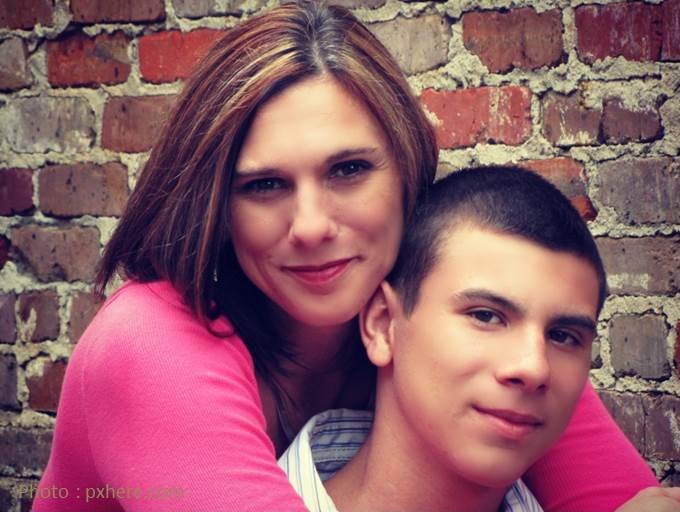
[vc_row][vc_column width=”2/3″][vc_column_text]Want to strengthen your relationship with a child who is struggling with mental illness or addiction? Learn about mastery, observations, feedback, and emotions in “Resilient Kids: How Can Parents Help?“[/vc_column_text][/vc_column][vc_column width=”1/3″][vc_single_image image=”5141″ img_size=”full” onclick=”custom_link” img_link_target=”_blank” link=”http://www.heretohelp.bc.ca/visions/families-vol8/resilient-kids-how-can-parents-help”][/vc_column][/vc_row]
Tag: child
Coping when your child has mental health challenges
[vc_row][vc_column width=”2/3″][vc_column_text]Informing yourself about mental illness after a child develops signs of mental illness is job-one for parents. Finding support, connecting with local resources, and tending to the feelings of family members come next. This guide covers a lot of ground of interest to parents, “Coping with Mental Illness for Caregivers.”[/vc_column_text][/vc_column][vc_column width=”1/3″][vc_single_image image=”4762″ img_size=”full”][/vc_column][/vc_row]

Your child is struggling with substance use
[vc_row][vc_column width=”2/3″][vc_column_text]We found 25 helpful tips to stay calm, centered, and present when your child’s struggle with substance use has taken over your life in, “The parent’s guide to putting your oxygen mask on first when your child is struggle with drugs or alcohol substance use.”[/vc_column_text][/vc_column][vc_column width=”1/3″][vc_single_image image=”4340″ img_size=”full”][/vc_column][/vc_row]

Parenting to prevent substance use
[vc_row][vc_column width=”2/3″][vc_column_text]As the first line of defense, parents can have a significant influence over a child’s decision to avoid drug/substance use but you will need to keep the dialogue running. Learn how, Drug Free Kids.[/vc_column_text][/vc_column][vc_column width=”1/3″][vc_single_image image=”4765″ img_size=”full”][/vc_column][/vc_row]
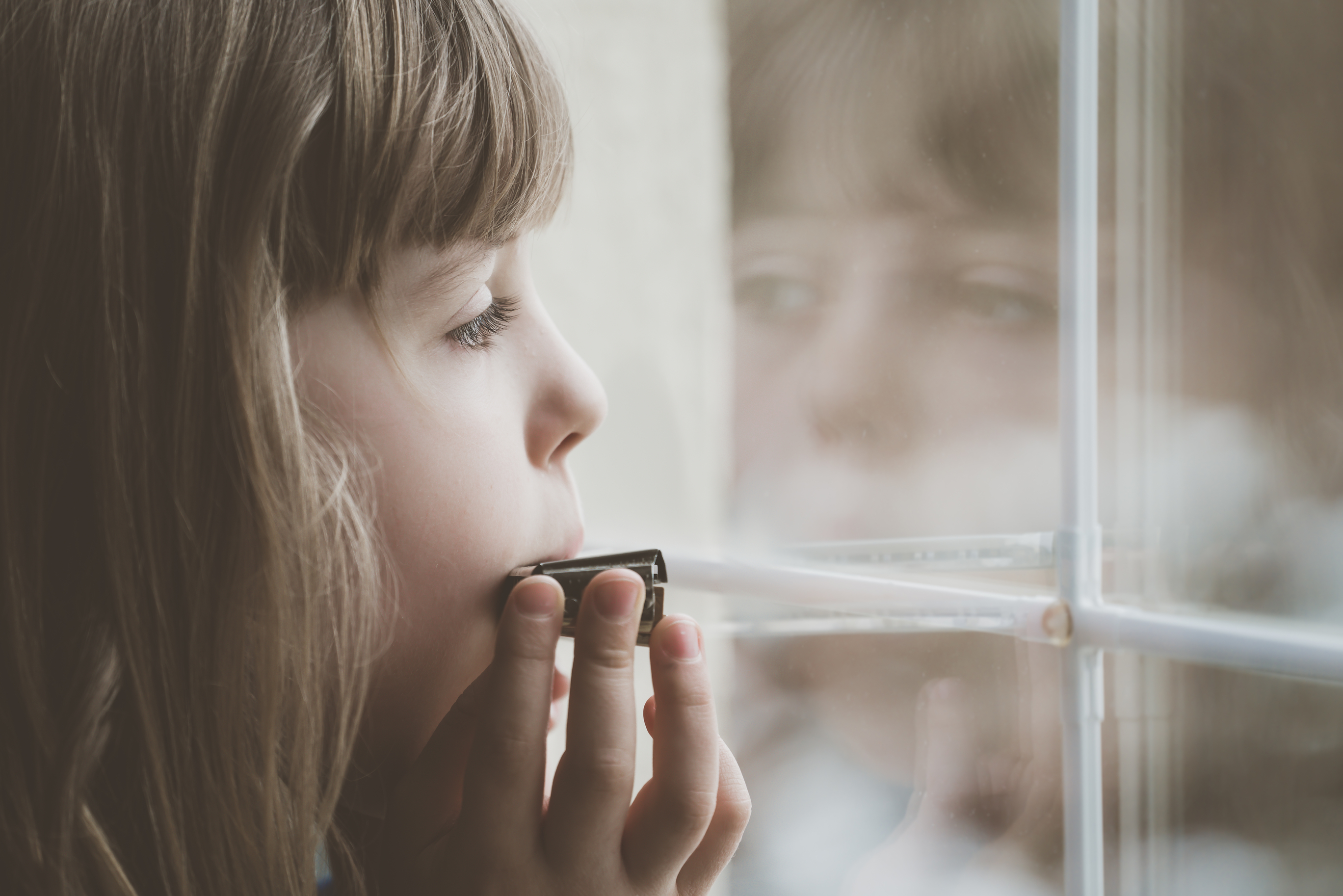
Linda’s recovery journey
[vc_row][vc_column width=”2/3″][vc_column_text]Before I begin this story, it will help if I tell you a little about where I come from; my family, my childhood, my heritage.
I was born in Cornwall, Ontario on Nov 30th. My mom was of English descent and my dad was French Canadian. I have an irreplaceable sister who is five years my senior. And just the other day while looking through family photos, I came across a picture of my baby sister with her beautiful blue eyes. It reminded me of all the love and joy she brought to my life. Sadly, she died prematurely at 39 years old, from muscular dystrophy and other complications.
Although my parents loved and took care of sisters and me, to the best of their abilities, in our home there were confusing and inconsistent messages, and many violent episodes. When my dad drank too much alcohol, he would begin to get agitated and I would look for ways to appease him. During these times , the tension in the house would rise and I never knew what he would do. When my parents would argue, tables and chairs and people would be thrown around, and cold shivers would go through my body. I was terrified by those incidents!
While my older sister would run to the neighbors for safety, I remained at the house to protect my mother and baby sister. Once things calmed down my dad was extremely quiet and remorseful, and that made me believe my dad needed me too. As time went on I would call my mom daily to make sure she was safe. I was not aware that I was powerless over the disease of alcoholism and it’s affects.
In 1983 my mom passed away and I found a new best friend, “John Barleycorn”, otherwise known as alcohol. I also began to experience severe anxiety attacks which led me to give into depression and isolation. Many of my days and nights were spent lying in bed, full of fear. I feared I was loosing my mind, as many of my childhood issues were surfacing. I was lost and confused. At this time I went to see a doctor who helped me by inviting my father into one of our sessions. My father’s denial of his disease and his behavior towards me brought out a rage in me for the first time.
A very close friend of mine reminded me that there was a God and I was desperate enough to cry out one night, “If you really do exist God please do not let me go completely crazy. I can’t do it ! I can’t do it!”
The gut wrenching sounds coming from my chest and out of my vocal cords surprised my own ears. An hour passed and my tears would not stop falling. There seemed to be no relief from the torments in my soul.
At this time there were many changes happening in and around me. I was introduced to Alcoholics Anonymous and at my first meeting I heard myself say, “My name is Linda and I am an alcoholic.” Instantly, I felt a new freedom in my heart and a weight fell from my shoulders. I knew I belonged. About a year later, I was invited to attend a meeting for people who were affected by someone else’s disease – Al Anon.
This year I celebrated 30 years of continued sobriety and 29 years in Al Anon. Doing service work in both programs has been a blessing to me and hopefully others.
I have received many blessings in the last 30 years. I met my husband who has many years of sobriety, we have been married for 28 years. Other members of my family have been blessed to find sobriety.
Our family has been blessed with many years of recovery. At times things are good, at times very hard. Life happens!
I do know that ironically in my surrender, He held my heart and attitude in His hands. He could finally use me for His purpose.
—Linda C.
[/vc_column_text][vc_empty_space][/vc_column][vc_column width=”1/3″][vc_single_image image=”4690″ img_size=”full”][/vc_column][/vc_row]
Caring for a child or young adult
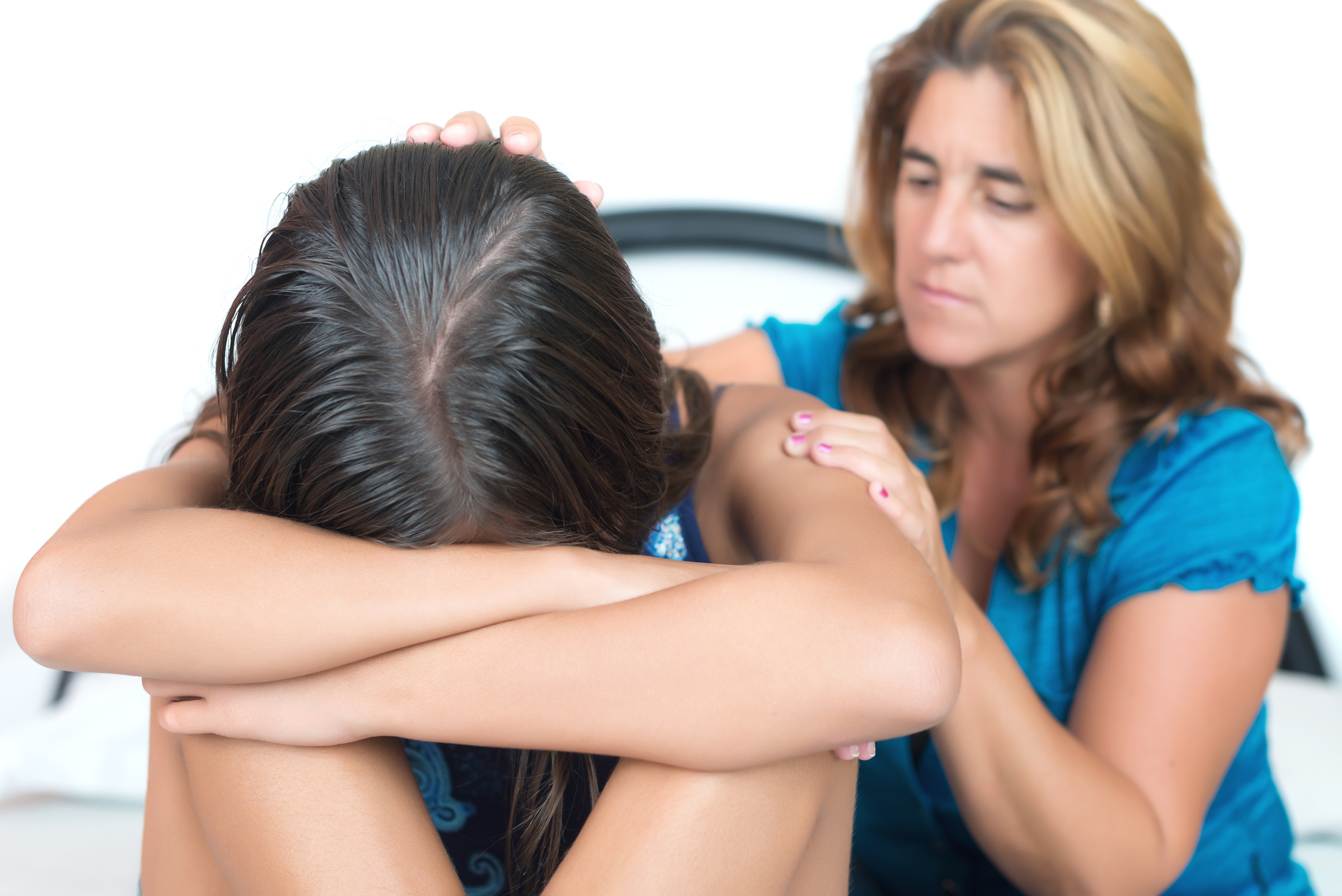
[vc_row][vc_column width=”2/3″][vc_column_text]When your loved one is a child, youth or young adult, the role of the family caregiver will naturally be pretty hands-on.
There can be an upside to this involvement because health system providers will often seek out information from these family caregivers, and provide some direction on what they can do to help the young person who is struggling with addiction or mental illness. Family caregivers should probably take advantage of whatever access they have to their young loved one and capitalize on their opportunities to guide the young person into appropriate care. It may help to think of yourself as an ally to your loved one and not someone with an opposing point of view or a hidden agenda.
There are also limits to what a parent, guardian or caring friend can do, especially when it comes to determining whether or not your loved gets admitted to the health care system for the support that you feel they need. This is because Ontario’s addiction and mental health system is designed to respond to the wishes of the young person (not the demands of the family caregiver).
Under the law, a person of any age has the right to deny medical treatment so long as, in the opinion of the attending health care professional, the individual is not posing an imminent threat of physical violence to themselves or another person, and can demonstrate that they understand the possible consequences of declining a recommended course of care. Learn more about Ontario’s legal framework in Questions & Answers on Patient Privacy and Consent in the Addiction and Mental Health System in Ontario.
For tips on how caregivers of children can stay strong, see Mental Health Caregiver Guide: A Guide for Caregivers of Persons Living with Mental Illness or Experiencing Mental Health Challenges (p. 39).[/vc_column_text][/vc_column][vc_column width=”1/3″][vc_single_image image=”2833″ img_size=”full”][/vc_column][/vc_row]