Ontario health providers talk about caregivers

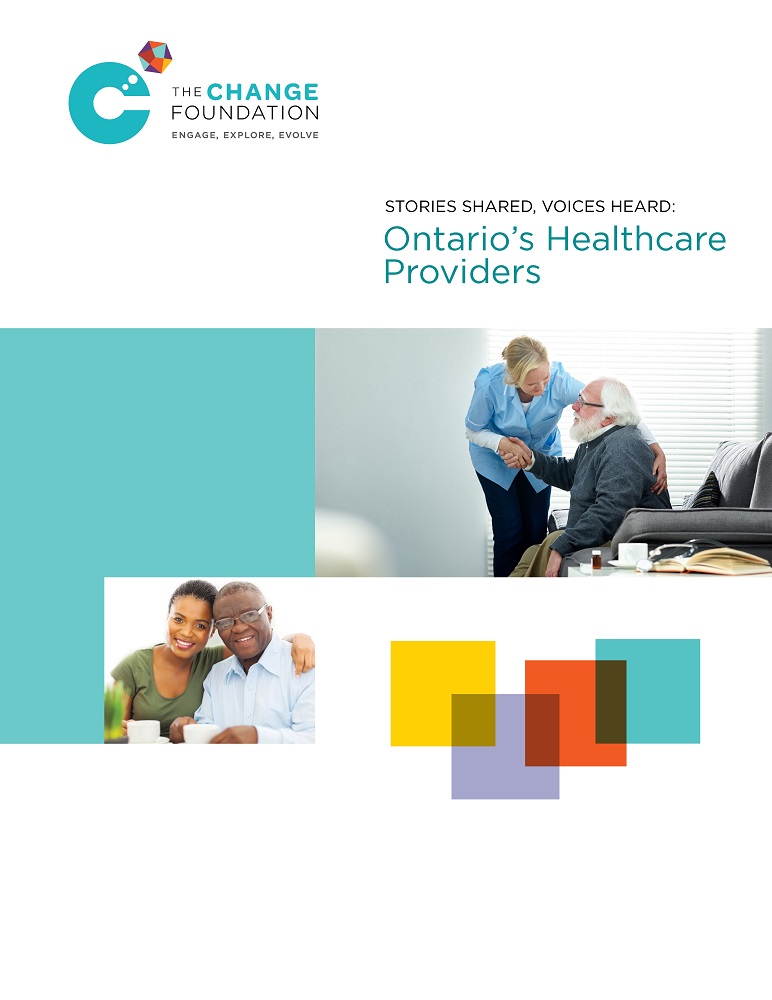
[vc_row][vc_column width=”2/3″][vc_column_text]This report, “Stories Shared, Voices Heard: Ontario’s Healthcare Providers“, describes findings and themes from discussions with front-line health providers in the province. We focused on how providers view both the role of family caregivers and their own role when they engage with family caregivers. In addition we wanted to understand how providers interact with caregivers and what could make the interactions with caregivers better for both the caregiver and the person receiving care.

Both providers and caregivers are frustrated by inconsistent and inaccessible communication channels between providers, family, and others in different parts of the health care system. This is a common contributing factor in many health system challenges.

Providers wish they could do better to provide a holistic care experience, but feel limited by what they are funded to do and what they are officially accountable for. They often recognize that family caregivers need resources and support, but feel paralyzed and unable to change the system to meet those needs.[/vc_column_text][/vc_column][vc_column width=”1/3″][vc_row_inner][vc_column_inner][vc_single_image image=”4424″ img_size=”full” onclick=”custom_link” img_link_target=”_blank” link=”https://embracecaregivers.com/wp-content/uploads/2021/04/Stories-Shared-Family-Caregiver-report_LowRes_WEB.pdf”][/vc_column_inner][/vc_row_inner][/vc_column][/vc_row]

How can family peer support help me?

[vc_row][vc_column width=”2/3″][vc_column_text]Sharing your concerns with others who understand what you are feeling can help. That’s where family peer support comes in.

You can expect a family peer support worker to have similar lived experience to you, with family members of their own who are in recovery. The support they offer comes from a unique perspective: don’t judge, don’t fix, don’t give advice, and no rescuing. This way, you to stay in charge and can become your own expert in family caregiving.

Family peer support has been shown to help caregivers to:

  • Feel less alone and isolated
  • Learn from others’ experiences
  • Navigate the health system more effectively
  • Find information and generate ideas to solve problems
  • Gain new hope for the recovery of your loved one

To find peer support nearby, explore the “Caregiver support and education” tab on the Local resources page.[/vc_column_text][/vc_column][vc_column width=”1/3″][vc_single_image image=”3957″ img_size=”full”][/vc_column][/vc_row][vc_row][vc_column][/vc_column][/vc_row][vc_row][vc_column][/vc_column][/vc_row]

Not being heard in the health system?

[vc_row][vc_column width=”2/3″][vc_column_text]When you’re not heard as a caregiver, it can lead to confusion, lost time or worse. That’s why you may want to be persistent in getting information across.[/vc_column_text][/vc_column][vc_column width=”1/3″][vc_single_image image=”3742″ img_size=”medium”][/vc_column][/vc_row]

James’ caregiver journey

[vc_row][vc_column width=”1/2″][vc_column_text]For my wife Terry and I, the holiday weekend in August of 2004 was probably the saddest one of our lives. Our son had had a very rough year at university in New Brunswick. His grades had nosedived, and campus life was increasingly a struggle. He had been treated for depression since he was ten. And no matter what medication our family doctor tried, there was never any real improvement.

When classes ended, our son decided to stay out east. So I took down a used car we had purchased. I’ll never forget the despair I felt after he dropped me at the train station for my return trip home. I called Terry and told her I had a feeling we had lost our son.

That summer, unbeknownst to us, our son started upping his antidepressant dosage. We later learned that he was also engaging in all sorts of other risky behaviours. Towards the end of July, it all came crashing down around him. He had lost his job, his money was gone and he had no place to live.

Luckily, he cried out for help and I rushed out to drive him home. While we failed to recognize it then — what did we know of mental illness? — our son was in the midst of a classic manic episode. He was unable to sleep. He was paranoid. Both his thoughts and his speech were racing out of control.

[/vc_column_text][vc_empty_space height=”12″][/vc_column][vc_column width=”1/2″][vc_single_image image=”2883″ img_size=”full”][/vc_column][vc_column][vc_column_text]Our family was home for the holiday and we each took turns listening while our son ranted at us. Finally the penny dropped and we realized our son needed to be hospitalized. So we made the gut-wrenching decision to call the police and have him transported to Ottawa in the back of an O.P.P. cruiser.

Like deer caught in the headlights of an onrushing car, Terry and I came face-to-face with Ontario’s mental health system… a strangely twisted world we were ill prepared to navigate. A world where “patient’s rights” advisors could, and did, prevent our son from receiving the help he needed for six agonizing days. The diagnosis of Bipolar 1 was almost a relief. But it also brought grief. Our son’s dreams of earning a doctorate in science were smashed. As a result of what our son later termed his “brain attack”, he spent two years in his room. A young man who, until that time, had built his life around books, had effectively lost the ability to read.

As I mentioned, we knew zip about mental illness and realized, if we were going to be able to advocate for our son, we had to play some serious catch-up. Luckily, in the fall of 2004, the Cornwall branch of the CMHA started a family support group, which we joined. Two of the family members also volunteered to offer a Family-to-Family education course they had researched.  Terry took the course and credits it with giving her the strength to carry on. In fact, she was so impressed with its worth, she trained to be an instructor and then taught it for six years.

For my part, I volunteered to lead the Cornwall family support group; it was threatened when the agency funding it hit a budget crunch. Luckily, Marilyn Macaulay joined the group and the rest, as they say, is history. After years of hearing horror stories about the mental health services in this region, Marilyn and I decided to conduct a survey of family caregivers in Cornwall and the surrounding area and take the results to the hospital in Cornwall and the Champlain Local Health Integration Network (LHIN). Our report… Survey of Mental Health Services in the Cornwall Region and Glengarry Counties… was published in November 2013.

The report was well received. More importantly, Christine Penney, Vice President, Community Programs at the Cornwall Community Hospital helped us put it in front of the right people. She was also supportive of our decision to join the Family Advisory Committee and Addiction & Mental Health Network of Champlain in Ottawa… and the Ontario Family Caregivers Advisory Network. And she worked hard to help us realize our goal of a Mental Health Family Advisory Council at the Cornwall Community Hospital.

As I have travelled this road, I have been guided by something written by Carol Grogan, a support group facilitator from Wisconsin, entitled “Open Letter to Mental Health Professionals:”

We want you to know that, despite what may be expressions of anger and hostility, we care deeply about our ill family member, and feel as much a desire to get involved in the treatment as we would if he or she were suffering from cancer, a kidney problem, or heart disease. Above all, we want to have access to you… and for you to have access to us and listen to us. In return, we hope to exercise great care and honesty in our contacts with you.

By the way, if you are wondering what happened to our son… fourteen years after his first psychotic break, he’s in recovery. He has insight into his disorder. And most importantly (for him), he is realizing his dream of completing his PhD in Biology.[/vc_column_text][/vc_column][/vc_row]
The Indigenous view of family caregiving

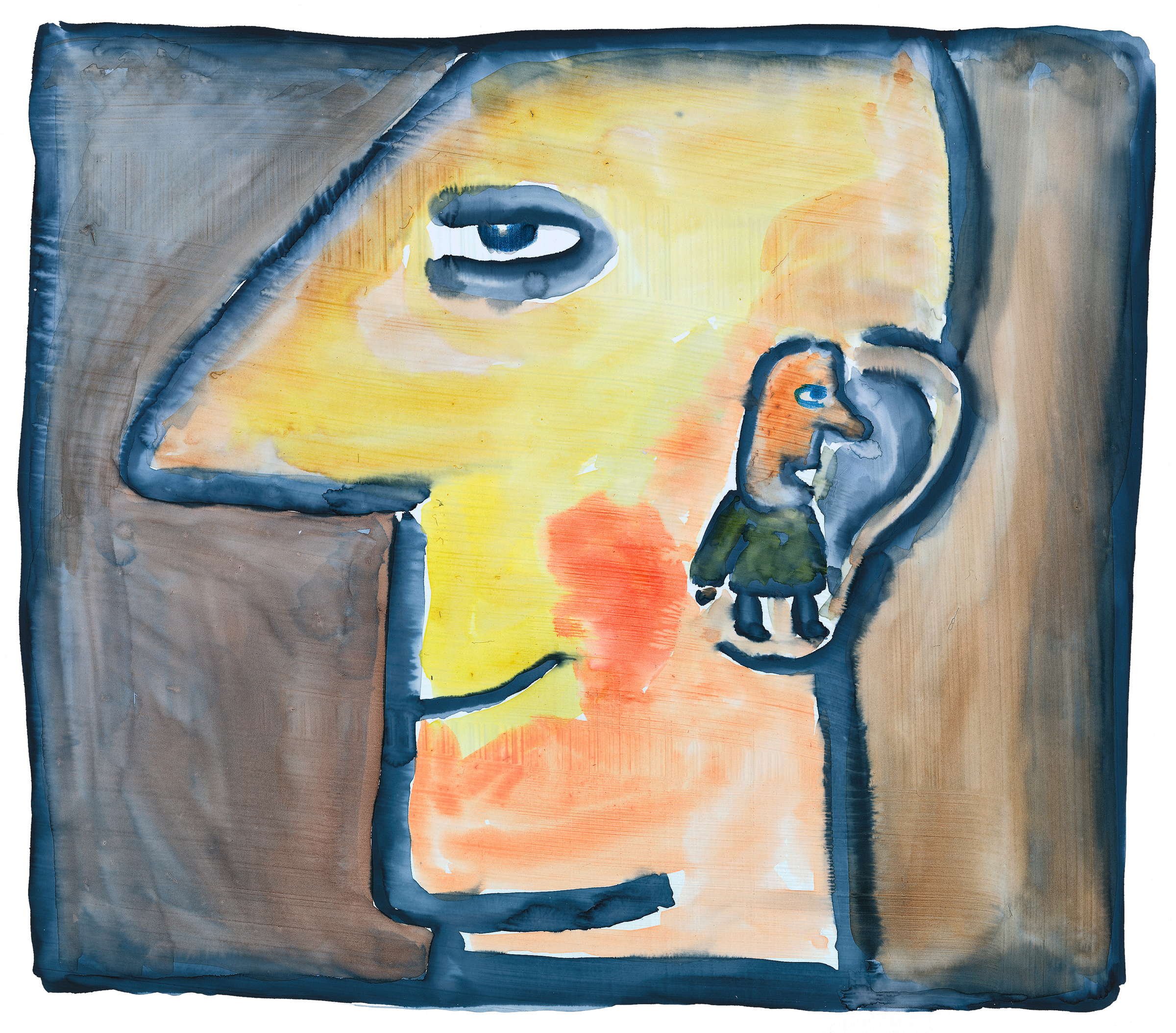
[vc_row][vc_column width=”2/3″][vc_column_text]The Indigenous view of mental wellness is broad in scope, including aspects of health that Ontario’s medical and hospital services may not address very directly.

For Inuit, mental wellness is defined as self-esteem and personal dignity flowing from harmonious physical, emotional, mental and spiritual wellness, and cultural identity (Inuit Tapiriit Kanatami, 2014). The First Nations Mental Wellness Continuum Framework (inset, at right) suggests that this balance is “enriched as individuals have a sense of purpose in their daily lives whether it is through education, employment, care giving activities, or cultural ways of being and doing; hope for the future and those of their families that is grounded in a sense of identity, unique Indigenous values, and having a belief in spirit; a sense of belonging and connectedness within their family and community and to culture; and finally a sense of meaning and an understanding of how their lives and those of their families and communities are part of creation and a rich history” (Health Canada & Assembly of First Nations, 2015).

There are also cultural differences in peoples’ views of family caregiving. The roles and responsibilities of the family caregiver are celebrated by Indigenous people, for the purpose that the role gives to the caregivers’ life, and for the value of caregiving to the individual and to the community as a whole.

As a result of these important cultural differences, local Mohawk, Métis and Indigenous people may be uncomfortable upon entering a hospital of community care facility for addiction or mental health care.[/vc_column_text][vc_empty_space height=”16″][/vc_column][vc_column width=”1/3″][vc_single_image image=”2773″ img_size=”full” onclick=”img_link_large” img_link_target=”_blank”][vc_empty_space][/vc_column][/vc_row][vc_row][vc_column width=”1/3″][vc_single_image image=”2923″ img_size=”full”][/vc_column][vc_column width=”2/3″][vc_column_text]Of course, the people of Akwesasne can access health and wellness services for addiction and mental health on the reserve so that their need for care in an unfamiliar environment is unnecessary. But in times of crisis or when there is a perceived need for a specialized kind of medical care, Indigenous people will want to know what to expect and how to go about getting health care that is culturally safe, strengths-based, and family and community-oriented.

A referral from your reserve into a local hospital or community care facility may help to set your expectations and connect you directly with health providers who have received cultural sensitivity training. You can otherwise make inquiries on arrival, requesting care from a health care professional who has received training to interpret and understand your health and wellness needs and/or has recent experience working with people from your community.

Should you find yourself feeling uncomfortable in a health care setting, also know that it is your right to  express your feelings and explain your needs. You can also decline a recommended approach to care.[/vc_column_text][vc_empty_space][/vc_column][/vc_row]

Caring for a child or young adult

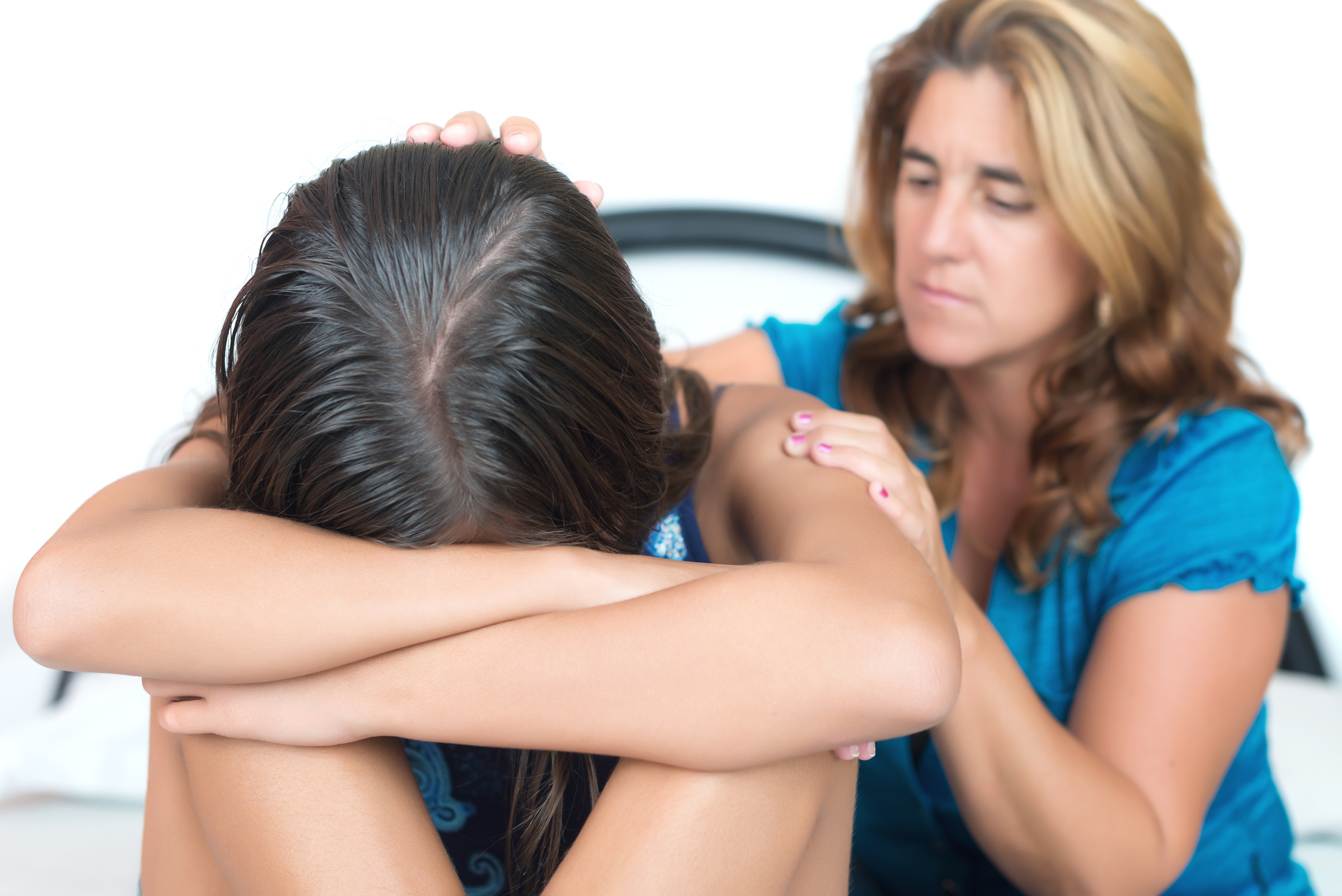
[vc_row][vc_column width=”2/3″][vc_column_text]When your loved one is a child, youth or young adult, the role of the family caregiver will naturally be pretty hands-on.

There can be an upside to this involvement because health system providers will often seek out information from these family caregivers, and provide some direction on what they can do to help the young person who is struggling with addiction or mental illness. Family caregivers should probably take advantage of whatever access they have to their young loved one and capitalize on their opportunities to guide the young person into appropriate care. It may help to think of yourself as an ally to your loved one and not someone with an opposing point of view or a hidden agenda.

There are also limits to what a parent, guardian or caring friend can do, especially when it comes to determining whether or not your loved gets admitted to the health care system for the support that you feel they need. This is because Ontario’s addiction and mental health system is designed to respond to the wishes of the young person (not the demands of the family caregiver).

Under the law, a person of any age has the right to deny medical treatment so long as, in the opinion of the attending health care professional, the individual is not posing an imminent threat of physical violence to themselves or another person, and can demonstrate that they understand the possible consequences of declining a recommended course of care. Learn more about Ontario’s legal framework in Questions & Answers on Patient Privacy and Consent in the Addiction and Mental Health System in Ontario.

For tips on how caregivers of children can stay strong, see Mental Health Caregiver Guide: A Guide for Caregivers of Persons Living with Mental Illness or Experiencing Mental Health Challenges (p. 39).[/vc_column_text][/vc_column][vc_column width=”1/3″][vc_single_image image=”2833″ img_size=”full”][/vc_column][/vc_row]